

What's Happening?
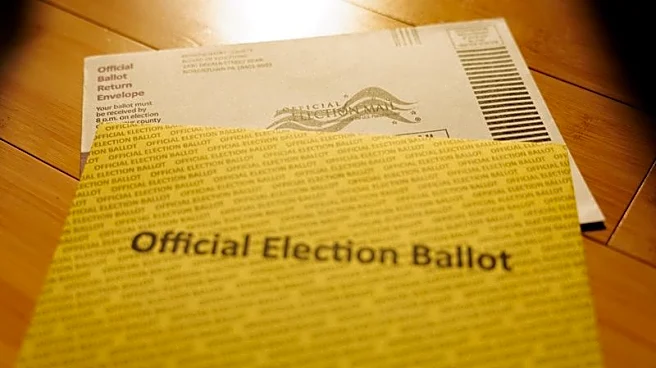
Netflix co-founder Reed Hastings has contributed $1 million to the 'No on 39' committee, actively opposing California's Proposition 39. This ballot measure, set for the November election, seeks to implement strict voter identification requirements in the state.
If passed, in-person voters would need to present a valid photo ID, while mail-in voters would be required to provide the last four digits of their identification number on their ballot envelopes. Hastings' wife, Patty Quillin, also donated $1.5 million to a separate anti-Prop 39 coalition linked to the ACLU. Supporters of Proposition 39 argue it is a common-sense approach to combat election fraud and enhance trust in the electoral system, particularly in a state known for lengthy vote-counting processes. However, opponents, including Hastings, believe such measures could suppress voter turnout and erode public confidence in the election system by potentially allowing undetected fraud.
Why It's Important?
The significant financial contributions from Reed Hastings and his wife highlight a growing concern among some prominent figures regarding the potential impact of stricter voter ID laws on democratic participation. The debate surrounding Proposition 39 in California reflects a broader national discussion on election integrity versus voter access. Proponents of voter ID laws often cite the need to prevent fraud and ensure secure elections, while opponents argue that these laws disproportionately affect minority groups, low-income individuals, and the elderly who may face challenges in obtaining required identification, thereby suppressing their right to vote. The outcome of Proposition 39 could influence similar legislative efforts in other states and set a precedent for how voter identification is approached across the U.S. The involvement of high-profile business leaders like Hastings also brings increased attention and financial resources to these political battles, potentially swaying public opinion and election results.
What's Next?
Proposition 39 will be put before California voters in the upcoming November election. The 'No on 39' committee, backed by labor and health groups and receiving additional funding from organizations like the California Community Foundation, will continue its campaign to defeat the measure. Similarly, the coalition supported by Patty Quillin and tied to the ACLU will also work to oppose the proposition. Current polling data from the Public Policy Institute of California (PPIC) indicates that the measure is trailing, with 55% of likely voters opposing it and 43% in favor. The issue has created a partisan divide, with strong support among Republicans (85%) and significantly less among Democrats (19%). The campaign leading up to November will likely see continued efforts from both sides to influence voters, with arguments focusing on election security, voter access, and the potential for fraud or suppression.
Beyond the Headlines
The controversy surrounding Proposition 39 extends beyond simple voter identification, touching upon fundamental questions about the balance between election security and democratic accessibility. Critics of the proposition, including California Attorney General Rob Bonta, have been accused by supporters of intentionally biasing the official ballot title to deter voters. This suggests a deeper struggle over the narrative and public perception of voter ID laws. The debate also underscores the ongoing challenges in maintaining public trust in electoral processes, especially in states with complex voting systems and past issues with vote counting or signature-gathering fraud. The long-term implications could include shifts in voter demographics, changes in political power dynamics, and continued legal challenges to election laws, reflecting a persistent tension in American democracy over who gets to vote and how those votes are counted.