




What's Happening?
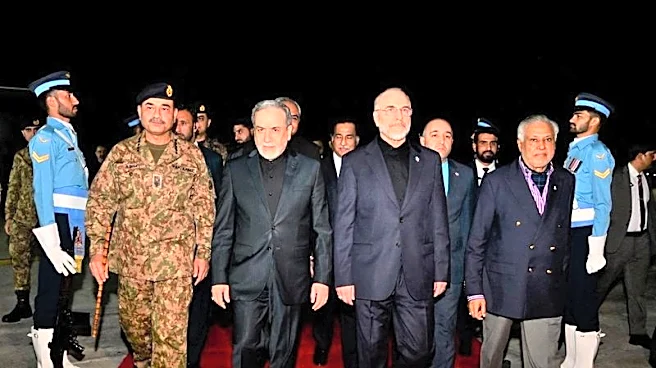
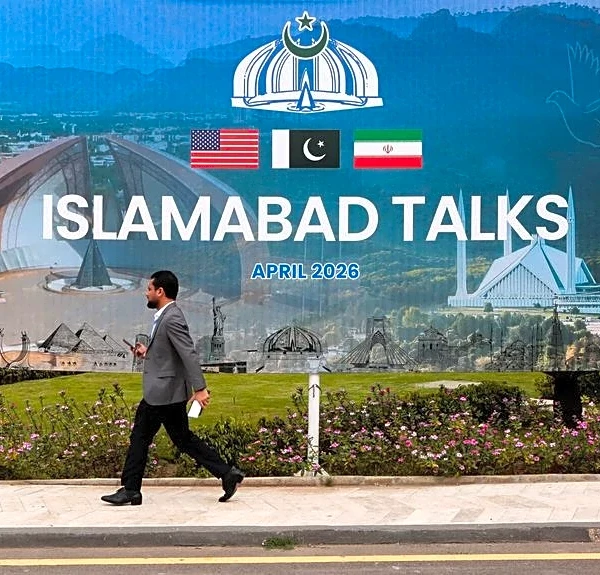
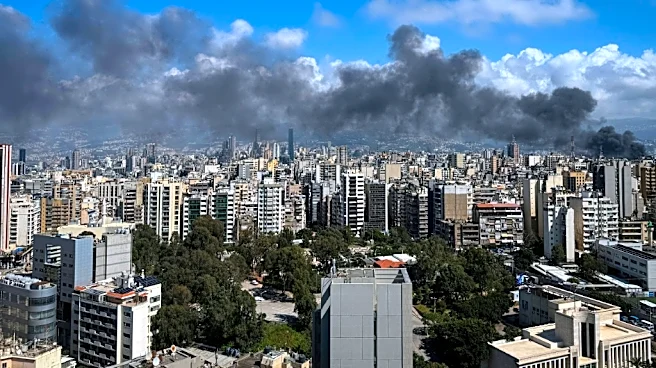
Top U.S. and Iranian officials have convened in Islamabad, Pakistan, to discuss a range of issues aimed at resolving ongoing conflicts in the Middle East. The talks are centered around Iran's demands for a ceasefire in Lebanon, where Israeli attacks on Iran-backed
Hezbollah militants have resulted in significant casualties. Iran insists that formal negotiations can only begin once the U.S. commits to a ceasefire in Lebanon and lifts economic sanctions. Additionally, Iran seeks the withdrawal of U.S. combat forces from the region and a commitment to non-aggression. The U.S., however, has indicated that sanctions relief will only be considered if Iran makes concessions on its nuclear and missile programs. Another contentious issue is Iran's desire to control the Strait of Hormuz, a strategic waterway, while the U.S. demands it remain open to all traffic without limitations.
Why It's Important?
The outcome of these negotiations could have significant implications for regional stability and global energy markets. A ceasefire in Lebanon could reduce tensions and prevent further escalation in the Middle East, potentially stabilizing oil supplies and prices. The lifting of sanctions on Iran could rejuvenate its economy, impacting global trade and investment. However, the U.S. and Israel's insistence on curtailing Iran's missile capabilities and nuclear ambitions remains a major sticking point. The control of the Strait of Hormuz is crucial, as it is a vital passage for global oil shipments. Any agreement on this issue could shift regional power dynamics and affect international energy security.
What's Next?
The negotiations are expected to continue, with both sides likely to face pressure from domestic and international stakeholders. The U.S. may need to balance its strategic interests in the Middle East with the demands for sanctions relief and military withdrawal. Iran, on the other hand, will have to consider the economic benefits of sanctions relief against its strategic military interests. The talks could lead to further diplomatic engagements or, if unsuccessful, a potential escalation in regional conflicts.
Beyond the Headlines
The discussions in Islamabad highlight the complex interplay of geopolitical interests in the Middle East. The potential for a shift in control over the Strait of Hormuz underscores the strategic importance of this region in global energy politics. Additionally, the negotiations reflect broader issues of international diplomacy, where economic sanctions are used as leverage in geopolitical conflicts. The outcome could set precedents for future negotiations involving other nations with similar strategic interests.