



What's Happening?
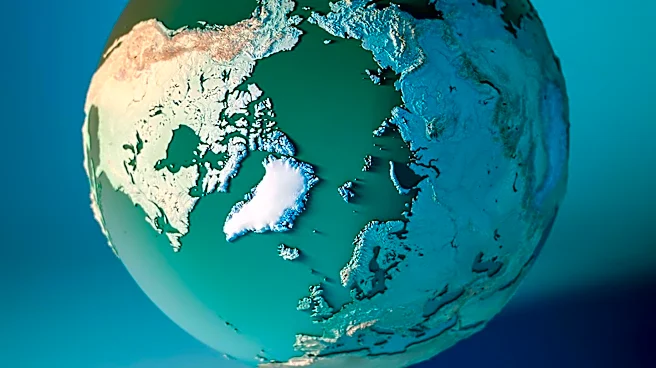
Methane hydrate, a form of ice containing methane gas, is found beneath the ocean floor and Arctic permafrost. Known as 'fire ice,' it releases natural gas when pressure drops, igniting upon contact with a flame. The US Geological Survey estimates that
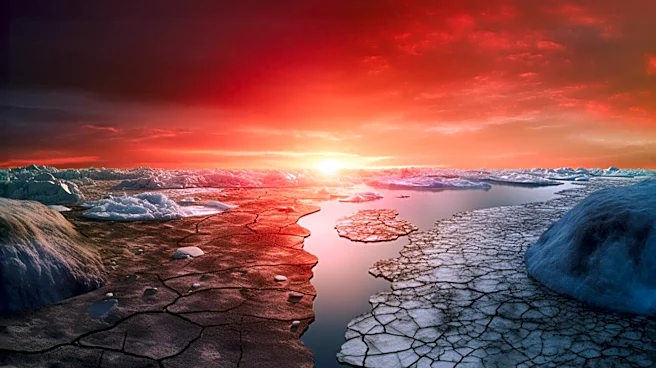
the carbon volume in methane hydrates is double that of all fossil fuels combined. Despite its abundance, extracting methane hydrate economically and safely remains unsolved. The deposits are stable under high pressure and cold temperatures, making them difficult to access. While some production is possible in permafrost areas, large-scale commercial exploitation is unlikely. Methane hydrate also poses a climate risk, as warming ocean temperatures could destabilize deposits, releasing potent greenhouse gases.
Why It's Important?
The vast reserves of methane hydrate represent a potential energy source that could significantly impact global energy markets if extraction becomes feasible. However, the technical challenges and environmental risks associated with its extraction are substantial. The release of methane, a potent greenhouse gas, could exacerbate climate change if destabilized by rising temperatures. This dual nature of methane hydrate as both a potential energy boon and a climate threat underscores the need for careful management and technological innovation. The development of safe extraction methods could provide a new energy frontier, but the environmental implications must be carefully considered to avoid exacerbating climate issues.
What's Next?
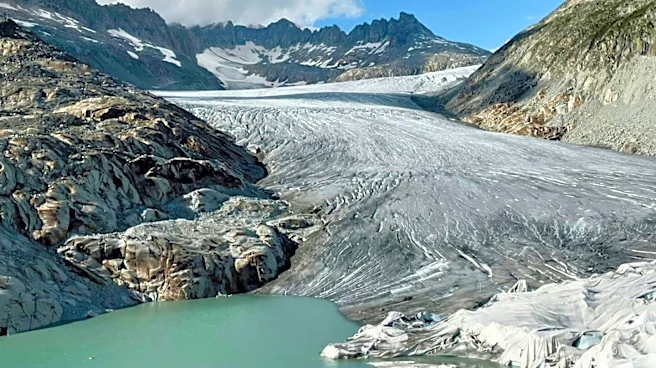
Future research and technological advancements are needed to explore the feasibility of methane hydrate extraction. Scientists and engineers must develop methods to safely access these reserves without triggering environmental harm. International collaboration may be necessary to address the global implications of methane hydrate extraction and its potential impact on energy markets and climate change. Monitoring and managing the stability of methane hydrate deposits, particularly in vulnerable Arctic regions, will be crucial in mitigating climate risks.
Beyond the Headlines
The presence of methane hydrate highlights the broader challenge of accessing resources that are abundant but difficult to exploit. This situation reflects a common pattern where significant reserves of resources are located in hard-to-reach areas, requiring innovative solutions to unlock their potential. The ethical and environmental considerations of exploiting such resources must be balanced with the potential benefits, emphasizing the need for sustainable and responsible resource management.