



What's Happening?
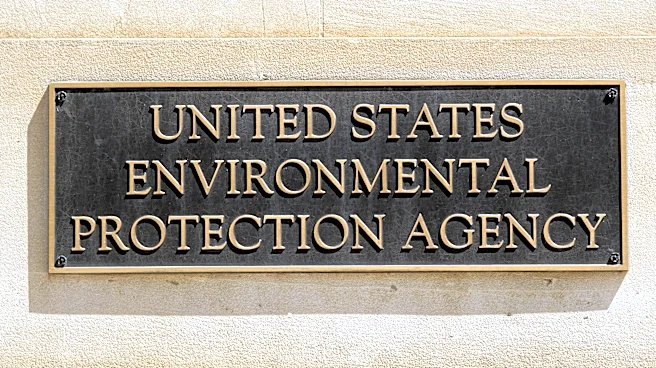
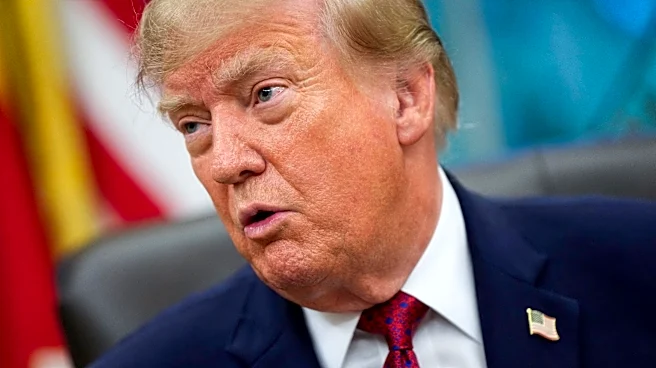
The Trump administration's Environmental Protection Agency (EPA) has finalized a decision to grant the State of Louisiana oversight of toxic coal ash waste, a move that has been strongly criticized by environmental groups including the Sierra Club, Earthjustice,
and the Alliance for Affordable Energy Louisiana. These groups argue that the Louisiana Department of Environmental Quality (LDEQ) has a poor track record of enforcing federal coal ash protections and has repeatedly allowed coal plants to violate these regulations. Testing at all active and one retired coal plant in Louisiana (Big Cajun 2, Brame Energy Center, R S Nelson, and Dolet Hills) has revealed groundwater contamination from coal ash at levels exceeding federal safe drinking water standards. Contaminants include arsenic, boron, cobalt, lead, lithium, radium, sulfate, and thallium, posing a significant threat to the over 61% of Louisiana's population that relies on groundwater for drinking.
Why It's Important?
This decision is critical because it shifts regulatory authority over a highly toxic industrial byproduct from federal oversight to a state agency that environmental groups contend is ill-equipped and unwilling to enforce protective standards. Coal ash contains numerous heavy metals linked to severe health issues, including various cancers, heart and thyroid diseases, respiratory illnesses, and neurological harm. By allowing LDEQ to manage coal ash oversight, critics argue that the Trump administration is prioritizing the interests of wealthy coal-owning utilities over the health and safety of Louisiana residents, particularly low-income communities and communities of color who are often disproportionately affected by pollution. This move could lead to continued groundwater contamination, jeopardizing drinking water supplies and public health across the state, and potentially setting a precedent for other states seeking similar authority.
What's Next?
Environmental groups are expected to continue their advocacy and potentially pursue legal challenges against the EPA's decision. They will likely monitor LDEQ's enforcement actions closely and highlight any instances of non-compliance or continued pollution. The decision could also galvanize local communities to organize and demand stronger protections from both state and federal authorities. Future administrations may face pressure to re-evaluate or reverse this delegation of authority, especially if evidence of increased environmental harm or public health impacts emerges. The ongoing contamination of groundwater will remain a critical issue, potentially leading to long-term health consequences and increased costs for water treatment and remediation efforts in Louisiana.
Beyond the Headlines
This EPA decision reflects a broader philosophical debate within environmental policy regarding the balance between federal oversight and state autonomy in regulating pollution. Critics argue that devolving such authority to states with weaker regulatory frameworks or political pressures from industry can undermine national environmental protection goals. This case highlights the concept of 'environmental justice,' as the communities most affected by coal ash pollution are often vulnerable populations with limited political power. The long-term implications extend to the sustainability of water resources and the economic burden of environmental degradation on affected communities. It also raises questions about accountability when state agencies fail to protect public health and the environment, and the role of federal agencies in ensuring a baseline level of protection across all states.