




What's Happening?
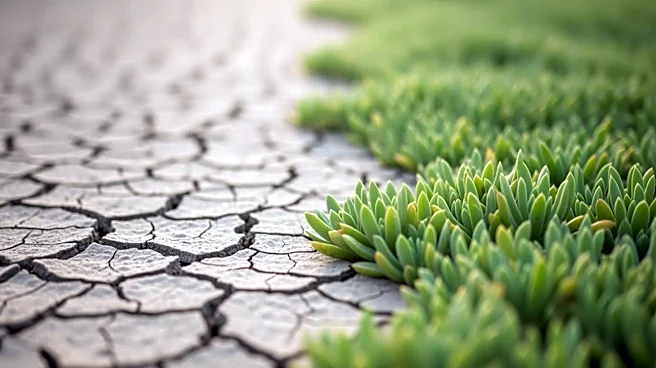
The city of Aurora is taking proactive measures to address worsening drought conditions by encouraging residents to replace traditional lawns with drought-tolerant alternatives. As new water restrictions are implemented, Aurora is offering financial incentives
to residents who choose to make the switch. This initiative aims to conserve water and promote sustainable landscaping practices in response to the increasing scarcity of water resources. The program is part of a broader effort to adapt to environmental changes and ensure the community's resilience against future droughts.
Why It's Important?
This initiative is significant as it addresses the pressing issue of water conservation in the face of climate change-induced droughts. By incentivizing the replacement of water-intensive lawns with drought-resistant landscaping, Aurora is setting a precedent for other cities facing similar challenges. The program not only helps conserve water but also encourages residents to adopt sustainable practices that can mitigate the impact of environmental changes. This could lead to long-term benefits for the community, including reduced water bills and enhanced ecological resilience.
What's Next?
Aurora's program may inspire other municipalities to implement similar initiatives, potentially leading to widespread adoption of drought-tolerant landscaping across the region. As the program progresses, it will be important to monitor its effectiveness in reducing water usage and its impact on local ecosystems. Stakeholders, including environmental groups and local governments, may engage in discussions to expand the program or introduce complementary measures to further enhance water conservation efforts.
Beyond the Headlines
The shift towards drought-tolerant landscaping raises questions about the cultural significance of traditional lawns and the potential for changing aesthetic preferences. As communities adapt to new environmental realities, there may be broader implications for urban planning and design, including the integration of native plants and sustainable landscaping techniques. This transition could also influence public perceptions of environmental stewardship and the role of individual actions in combating climate change.