






What's Happening?
Recent research indicates a significant association between the consumption of ultra-processed foods (UPF) and an increased risk of depression. A 2024 Harvard Health summary highlighted that individuals consuming at least nine servings of UPF daily were
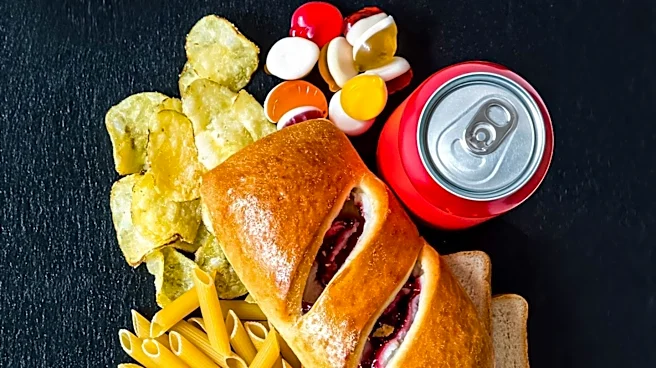
50% more likely to develop depression compared to those consuming four or fewer servings. This finding is supported by a 2022 systematic review and meta-analysis of 17 observational studies involving 385,541 participants, which found a 44% higher odds of depressive symptoms with higher UPF intake. Another dose-response meta-analysis of 26 studies and 260,385 participants across 12 countries associated high UPF intake with a 28% higher depression risk. The Whitehall II cohort study, which followed participants for up to 13 years, also reported a 31% higher odds of recurrent depressive symptoms in the highest UPF intake quintile. The research emphasizes that these findings relate to overall dietary patterns over months and years, rather than isolated instances of UPF consumption. The NOVA classification system categorizes foods into four groups based on processing levels, with ultra-processed foods being industrial formulations containing additives and minimal whole food ingredients.
Why It's Important?
The growing body of evidence linking ultra-processed food consumption to depression has significant implications for public health and dietary guidelines in the U.S. As UPFs are prevalent in the American diet, these findings suggest a potential modifiable risk factor for mental health issues. The economic impact could be substantial, as depression is a leading cause of disability globally, incurring considerable healthcare costs and lost productivity. Understanding this link could drive changes in food manufacturing, encouraging the development of less processed alternatives and clearer labeling. For consumers, it underscores the importance of dietary choices beyond physical health, extending to mental well-being. Healthcare providers may increasingly incorporate dietary counseling into mental health treatment plans, shifting focus towards holistic approaches. The research also highlights the need for public health campaigns to educate about the distinctions between processed and ultra-processed foods, as many beneficial processed items like frozen vegetables and canned beans are often mistakenly grouped with UPFs.
What's Next?
Moving forward, further research will likely focus on establishing causation rather than just association between UPF and depression, potentially through interventional studies. Public health initiatives may emerge to promote healthier eating patterns and reduce UPF consumption, possibly involving collaborations between government agencies, food manufacturers, and healthcare organizations. There could be increased scrutiny on the ingredients and marketing of ultra-processed foods, potentially leading to new regulations or industry self-regulation. For individuals, the emphasis will be on making small, sustainable dietary changes, such as swapping sweetened drinks for water or replacing packaged snacks with whole fruits and nuts. Clinicians are encouraged to discuss diet as part of a comprehensive mental health care plan, recognizing that food changes support, but do not replace, psychiatric evaluation, therapy, or medication. The development of practical, budget-friendly strategies for reducing UPF intake, such as utilizing inexpensive staples like canned fish, frozen vegetables, and oats, will be crucial for widespread adoption.
Beyond the Headlines
Beyond the direct health implications, the link between ultra-processed foods and depression touches upon broader societal and ethical considerations. The pervasive availability and affordability of UPFs often disproportionately affect lower-income populations, raising questions of food equity and access to nutritious options. The marketing strategies employed by the ultra-processed food industry may come under increased ethical review, particularly concerning their impact on vulnerable populations. Culturally, there may be a shift in how 'convenience' foods are perceived, moving away from an uncritical acceptance towards a more informed understanding of their potential health costs. This could foster a greater appreciation for home cooking and minimally processed ingredients. The findings also highlight the complex interplay between diet, gut microbiome, inflammation, and mental health, suggesting a more integrated view of human physiology. This holistic perspective could drive innovation in personalized nutrition and mental health interventions, recognizing the interconnectedness of physical and psychological well-being.