



What's Happening?
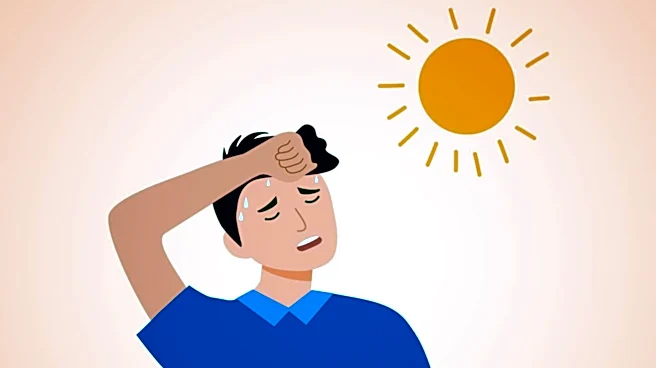
A recent poll conducted by The Associated Press-NORC Center for Public Affairs Research highlights the significant impact of extreme heat on Americans, particularly in the West and Midwest. The survey reveals that many U.S. adults are experiencing major
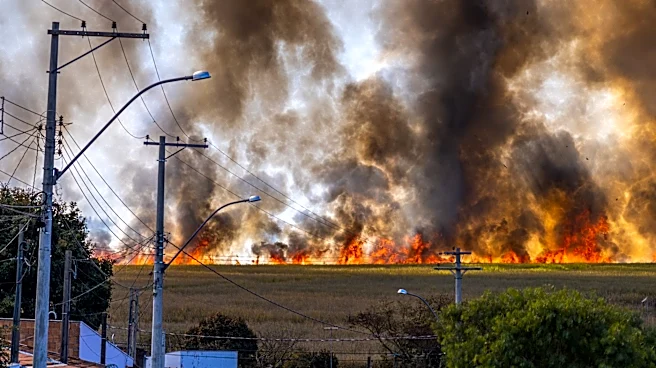
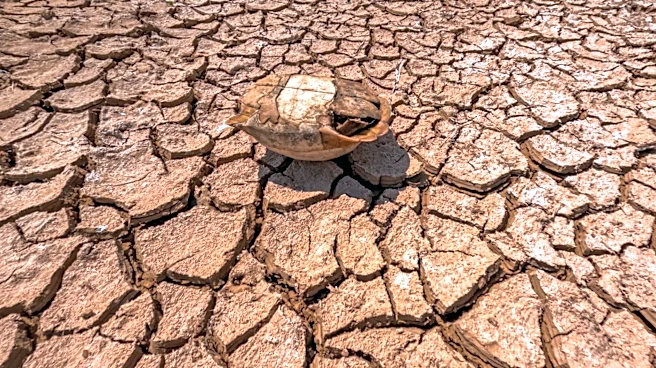
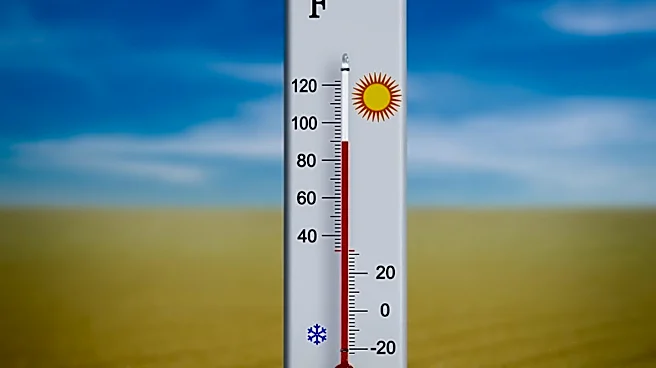
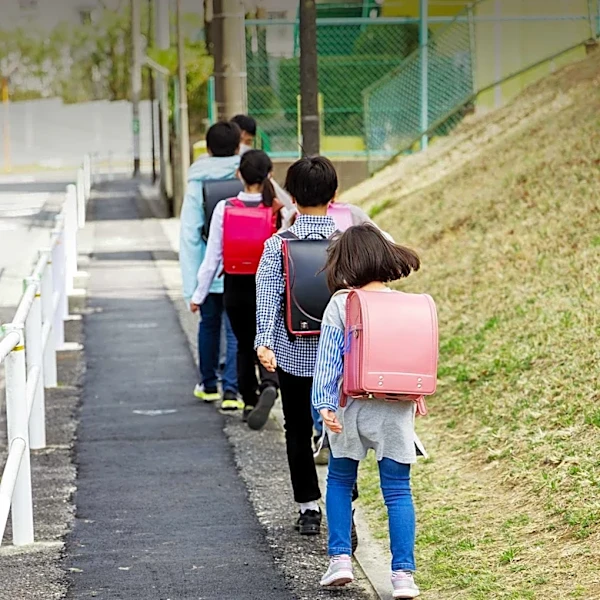
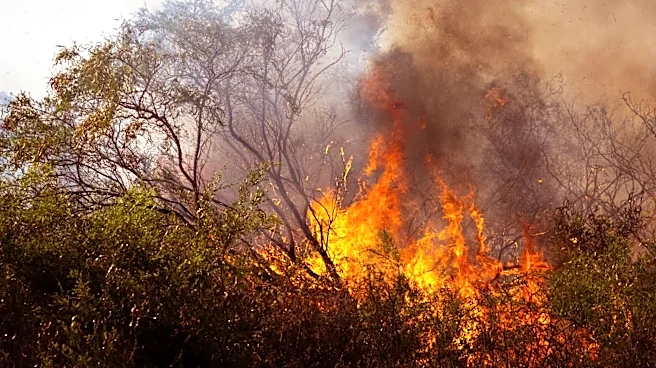
or minor effects on their travel plans, electricity bills, sleep, and outdoor activities due to rising temperatures. The poll indicates that Democrats are more likely than Republicans to report a major impact from extreme heat. The phenomenon is linked to broader climate trends, with recent years recording some of the hottest temperatures globally. The heat has led to increased electricity usage, affecting household bills, and has disrupted family gatherings and outdoor events.
Why It's Important?
The findings underscore the growing challenges posed by climate change and extreme weather conditions. As temperatures rise, the strain on public infrastructure, health systems, and economic activities intensifies. The increased electricity usage due to air conditioning needs highlights the economic burden on households, particularly in regions already facing financial pressures. The disruption of travel and outdoor activities reflects broader societal impacts, affecting community interactions and lifestyle choices. The poll's results emphasize the need for policy interventions to address climate change and mitigate its effects on daily life, including investments in sustainable energy and infrastructure resilience.
What's Next?
The ongoing impact of extreme heat is likely to prompt further discussions on climate policy and adaptation strategies. Policymakers may need to consider measures to support affected communities, such as subsidies for energy costs or investments in cooling infrastructure. The survey results could influence public opinion and drive demand for more aggressive climate action at local, state, and national levels. As the effects of climate change become more pronounced, stakeholders across sectors will need to collaborate on solutions to protect vulnerable populations and ensure sustainable development.