







What's Happening?
Active commuting, which involves traveling to work without a car, is being highlighted for its significant health and environmental advantages. This practice, encompassing walking, cycling, or using public transportation, allows individuals to integrate
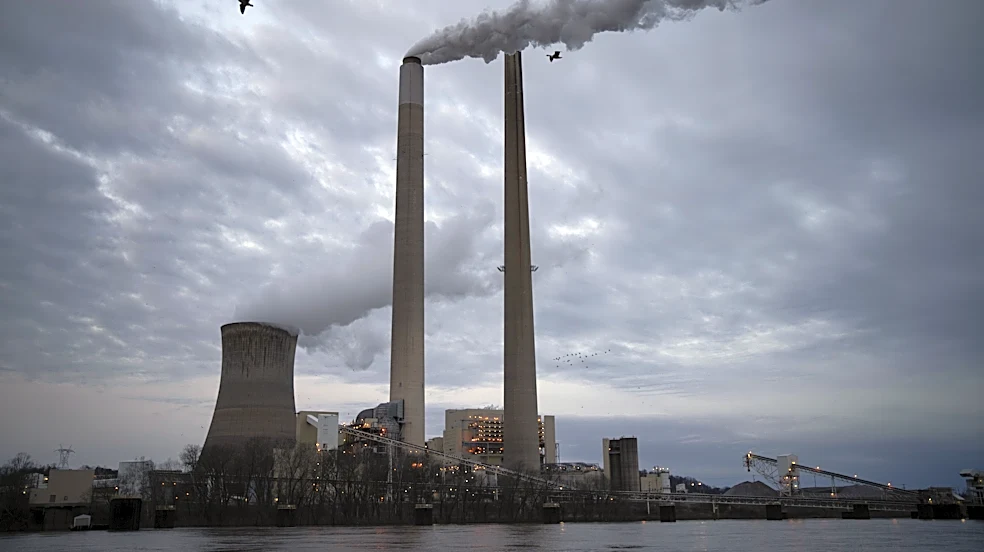
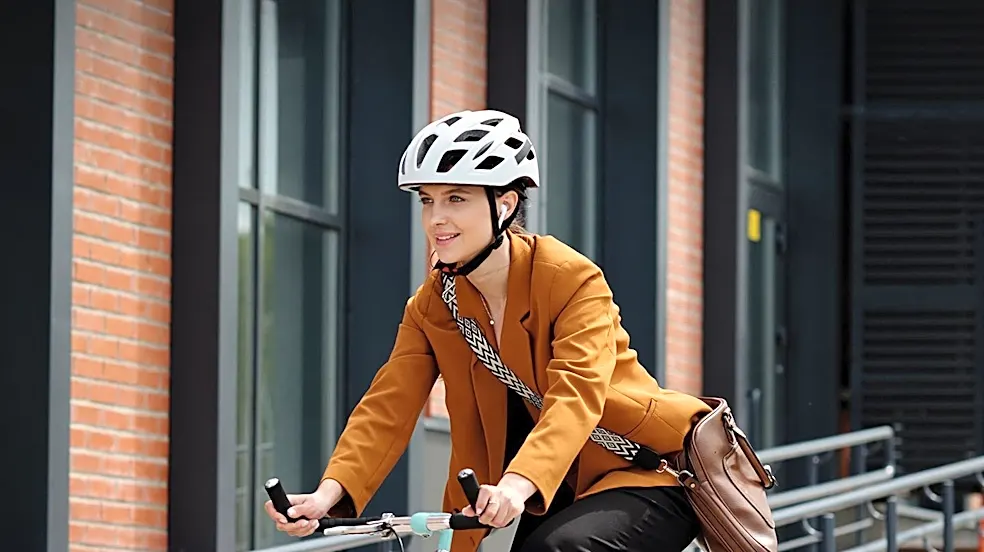
physical activity into their daily routines. Research indicates that active commuting can reduce the risk of chronic diseases such as coronary heart disease, cardiovascular diseases, hypertension, diabetes, and obesity. It also improves physical fitness, particularly cardiorespiratory fitness through cycling and muscular fitness through walking. Beyond physical benefits, active commuting has been linked to improved mental health, with studies showing decreased symptoms of depression and increased feelings of happiness and well-being among those who bike to work. Environmentally, active commuting reduces traffic congestion, air pollution, noise pollution, and carbon emissions, contributing to a healthier urban environment. For remote workers, engaging in walks or bike rides to start and end their day, or commuting to a local coffee shop, can provide similar benefits.
Why It's Important?
The promotion of active commuting holds significant importance for public health and environmental policy in the U.S. With sedentary lifestyles contributing to a rise in chronic health conditions, encouraging active commuting offers a practical solution to increase daily physical activity without requiring dedicated gym time. This can lead to a healthier workforce, potentially reducing healthcare costs and improving overall productivity. From an environmental perspective, a shift towards active commuting can substantially decrease urban pollution and carbon footprints, aligning with national climate goals and improving air quality in densely populated areas. For cities, increased active commuting can alleviate traffic congestion, reduce the need for extensive parking infrastructure, and foster more livable, pedestrian-friendly communities. This initiative benefits individuals by improving their well-being and contributes to broader societal and environmental sustainability.
What's Next?
To further encourage active commuting in the U.S., cities and employers may implement various strategies. This could include expanding and improving cycling infrastructure, such as dedicated bike lanes and secure bike storage facilities, and enhancing pedestrian walkways. Public transportation systems might see increased investment to make them more accessible and efficient, encouraging more people to walk or cycle to transit hubs. Employers could offer incentives for active commuters, such as shower facilities, bike repair stations, or subsidies for public transport passes. Public awareness campaigns will likely continue to educate individuals on the health and environmental benefits of active commuting, potentially highlighting local resources like Capital Bikeshare or Lime bikeshare in areas like Washington, D.C. Policy discussions may also focus on urban planning that prioritizes mixed-use developments to shorten commute distances and make active travel more feasible.
Beyond the Headlines
The push for active commuting extends beyond immediate health and environmental gains, touching upon deeper societal and urban planning implications. It challenges the car-centric culture prevalent in many parts of the U.S., advocating for a re-evaluation of urban design to prioritize human-scale mobility. This shift can lead to more vibrant, community-oriented neighborhoods where public spaces are designed for interaction rather than just transit. Ethically, promoting active commuting can address health disparities, as access to safe and efficient active transport options can be particularly beneficial for lower-income communities. Culturally, it could foster a greater appreciation for outdoor activity and local environments, encouraging people to engage more directly with their surroundings. Long-term, a widespread adoption of active commuting could redefine the American urban landscape, making cities more sustainable, equitable, and enjoyable places to live and work.