







What's Happening?
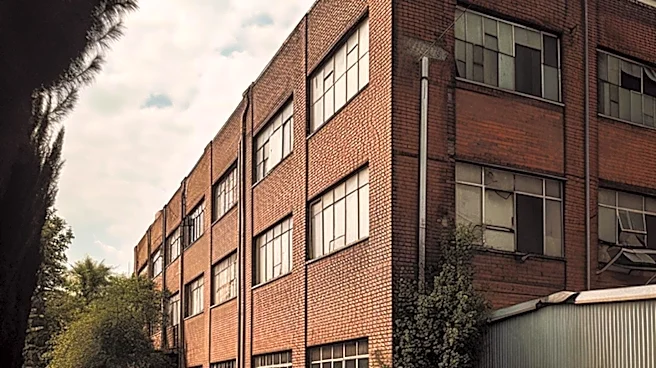
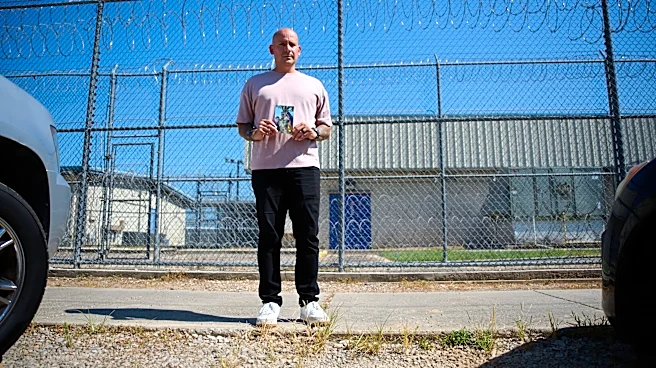
CoreCivic, a major player in the prison industry, has finalized a five-year federal contract to reopen the Prairie Correctional Facility in Appleton, Minnesota, as an Immigration and Customs Enforcement (ICE) detention center. The facility, which has been
vacant since 2010, will now house up to 1,600 immigrant detainees. This development follows months of refurbishment efforts by CoreCivic, which purchased the prison in 1997. The reopening is part of a broader strategy by the Trump administration to increase detention capacity for undocumented immigrants. The decision has sparked mixed reactions, with some local lawmakers supporting the move due to the existing infrastructure, while others, including activists and public workers unions, criticize the use of private companies for detention purposes.
Why It's Important?
The reopening of the Prairie Correctional Facility as an ICE detention center is significant as it highlights the ongoing debate over immigration policies and the role of private companies in the detention system. The contract is expected to generate $75 million annually for CoreCivic, reflecting the financial stakes involved in the detention industry. This move is part of a larger trend under the Trump administration to expand detention capacities, which has implications for immigration enforcement and the treatment of detainees. Critics argue that the use of private facilities for detention purposes prioritizes profit over humane treatment, raising ethical concerns about the detention and deportation processes.
What's Next?
CoreCivic plans to begin receiving detainees by the end of the year, with full operations expected by the second quarter of 2027. The decision is likely to continue fueling debates among lawmakers, activists, and local communities. The public workers union AFSCME and advocacy groups like CURE are expected to maintain their opposition, potentially leading to protests or legal challenges. The broader implications for immigration policy and private detention facilities will likely remain a contentious issue in political and public discourse.