







What's Happening?
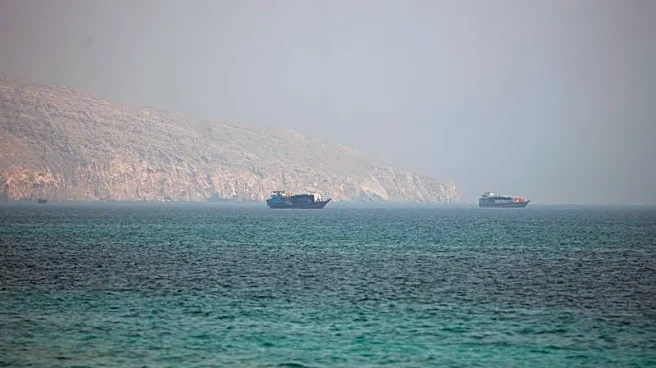
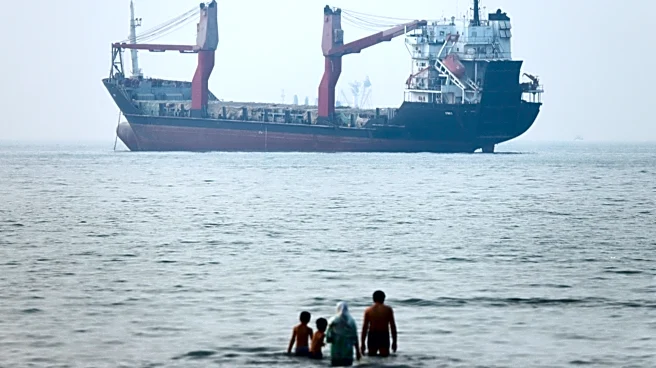
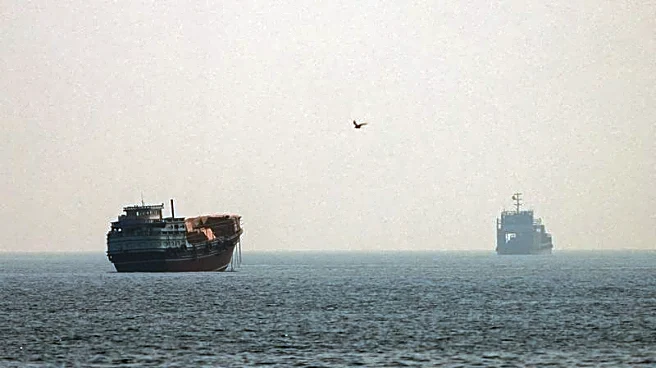
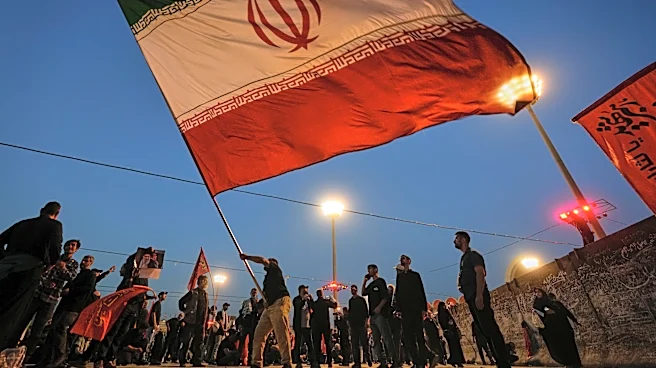
Rep. Stanton has raised concerns about the economic impact of the ongoing closure of the Strait of Hormuz, a critical chokepoint for global energy supplies. The closure is a result of the 2026 conflict involving the United States, Israel, and Iran. Despite
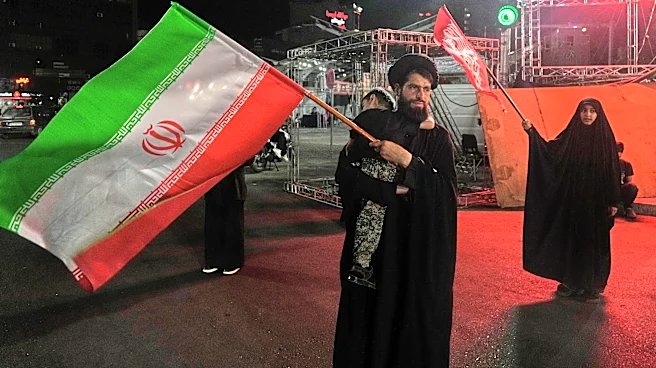
a ceasefire memorandum signed in June, hostilities have resumed, complicating efforts to reopen the strait. The prolonged closure threatens economic stability by potentially causing oil price spikes and inflation. Stanton emphasizes the need for intensified diplomatic efforts to resolve the geopolitical tensions and mitigate economic risks.
Why It's Important?
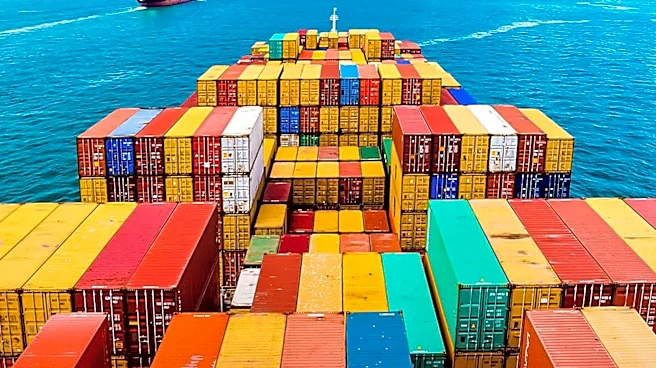
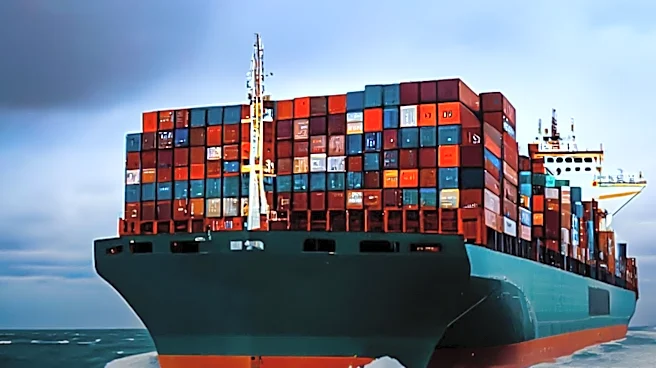
The Strait of Hormuz is a vital passage for oil shipments, and its closure has significant implications for global energy markets and economic stability. Disruptions in oil supply can lead to increased prices, affecting industries and consumers worldwide. The situation highlights the interconnectedness of geopolitical conflicts and economic stability, underscoring the importance of diplomatic solutions to prevent further economic fallout. The ongoing tensions also reflect broader challenges in international relations and energy security.
What's Next?
Diplomatic efforts between the United States and Iran will be crucial in resolving the conflict and reopening the Strait of Hormuz. Observers will monitor developments in peace talks and ceasefire agreements, as well as any changes in oil prices and global economic indicators. The outcome of these efforts will have significant implications for market expectations and economic stability. Continued hostilities could prolong the closure, while successful diplomacy could lead to normalization of traffic and stabilization of energy markets.