






What's Happening?
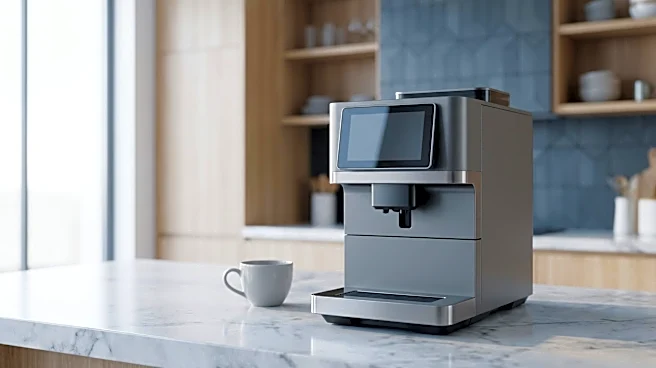
The increasing prevalence of connected kitchen appliances, such as smart coffee machines, introduces a trade-off between convenience and data privacy for U.S. consumers. These devices offer features like recipe synchronization, remote scheduling, and firmware
updates, but in exchange, they collect and transmit user data. This data can include usage statistics (e.g., shots pulled per day), brewing preferences, diagnostic information (e.g., error codes, water hardness), and account data (e.g., name, email). While the core functions of these appliances, such as grinding and brewing, operate locally without data sharing, the connected features necessitate the movement of information to manufacturers. Consumers are often unaware of the extent of data collection when purchasing these smart devices. The decision to connect these appliances involves weighing the benefits of enhanced features against the potential data footprint, prompting a need for greater transparency and user control over their personal information.
Why It's Important?
This development is important for U.S. consumers as it highlights a growing privacy challenge in the smart home ecosystem. The collection of personal usage data by kitchen appliances raises questions about who holds this information, how it is used, and what protections are in place. For individuals, this means a potential loss of control over their daily habits and preferences, which could be aggregated, analyzed, or even shared with third parties. From an industry perspective, manufacturers of smart appliances face the challenge of balancing feature innovation with robust data privacy practices to build consumer trust. The Federal Trade Commission (FTC) in the U.S. enforces consumer protection related to connected device data practices, indicating a regulatory interest in this area. The lack of clear, easily understandable privacy policies can leave consumers vulnerable, making informed decisions difficult. This trend underscores the broader societal shift towards an increasingly data-driven environment, where even mundane household items contribute to an individual's digital footprint.
What's Next?
Consumers can take proactive steps to manage their data privacy with connected kitchen appliances. A practical middle path involves using the machine's connected features for initial setup and updates, then periodically reviewing settings to disable analytics if the option is provided. Utilizing a dedicated app account instead of social logins can also help compartmentalize personal data. Before purchasing, consumers are advised to read the privacy policy to understand what data categories are collected and why, and to ascertain if usage analytics can be switched off. It is also crucial to understand the deletion path for personal data if they decide to stop using the app. Manufacturers may face increasing pressure to offer more granular control over data collection and clearer privacy policies, potentially driven by consumer demand and regulatory oversight. The ongoing evolution of privacy laws in various regions may also influence how these companies handle user data, giving consumers more rights to know what is collected and to request its deletion.
Beyond the Headlines
Beyond the immediate concerns of data collection, the proliferation of connected kitchen appliances touches upon deeper ethical and cultural dimensions. The shift from purely functional devices to 'smart' ones capable of learning and anticipating user needs blurs the lines between convenience and surveillance. This raises questions about the autonomy of individuals in their own homes and the potential for subtle behavioral nudges based on collected data. The 'smart kitchen' concept also reflects a broader societal trend where technology is increasingly integrated into every aspect of daily life, potentially leading to a future where personal data is continuously generated and analyzed from every corner of the home. The challenge lies in fostering technological advancement while safeguarding fundamental privacy rights and ensuring that consumers have genuine control over their digital selves, even in the most intimate spaces like their kitchens. This ongoing dialogue will shape future regulations and consumer expectations regarding smart home technology.