



What's Happening?
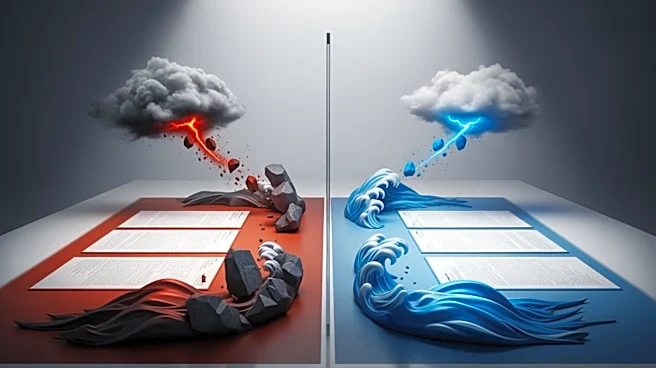
Negotiations between the United States and Iran have reached a deadlock, primarily over the release of $24 billion in frozen Iranian assets. Iran demands that $12 billion be released upon signing a potential agreement, with the remainder to follow. The
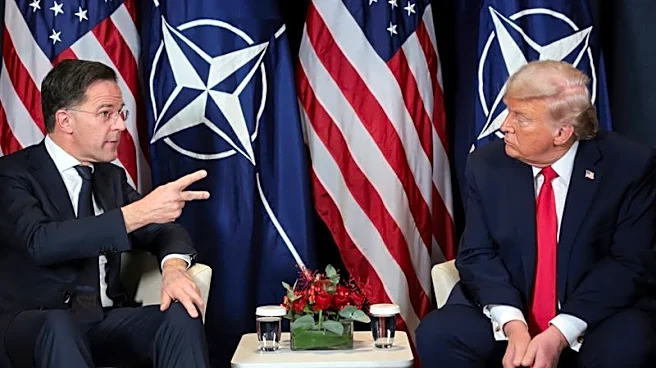
U.S. insists that these funds will only be released after Iran takes concrete steps to dismantle its nuclear program. Mohsen Rezaei, a military adviser to Iran's Supreme Leader, has stated that the responsibility to break the deadlock lies with President Trump. Rezaei also warned of potential military escalation if hostilities resume, although he noted that the likelihood of renewed conflict is low. Meanwhile, U.S. envoys have been consulting with nuclear experts to prepare for possible progress in the negotiations.
Why It's Important?
The outcome of these negotiations could significantly impact international relations and regional stability in the Middle East. The release of Iranian assets and the dismantling of Iran's nuclear program are critical issues that could either ease tensions or exacerbate them, depending on the resolution. For the U.S., a successful agreement could enhance its diplomatic standing and potentially lead to a more stable Middle East. Conversely, failure to reach an agreement could lead to increased hostilities and further destabilization in the region. The economic implications are also significant, as the release of frozen assets could bolster Iran's economy, while continued sanctions could further strain it.
What's Next?
The next steps in the negotiations are uncertain, as both sides have entrenched positions. The U.S. is waiting for Iran's official response to its proposals, and any progress will depend on both parties' willingness to compromise. If an agreement is reached, it will require careful implementation, particularly concerning Iran's nuclear program. The U.S. has already begun preparing for this possibility by consulting with nuclear experts. However, if talks fail, there is a risk of military escalation, as Iran has threatened to expand the conflict beyond the Persian Gulf.