


What's Happening?
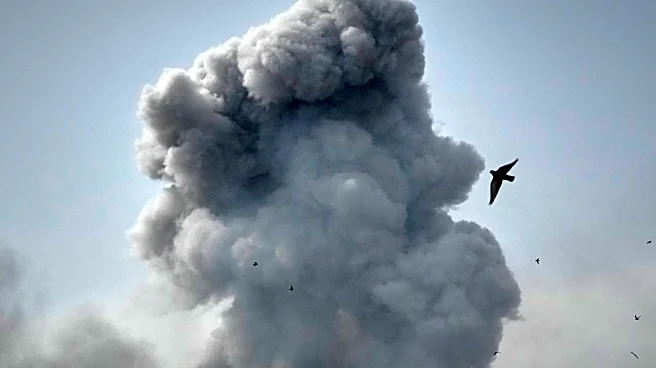
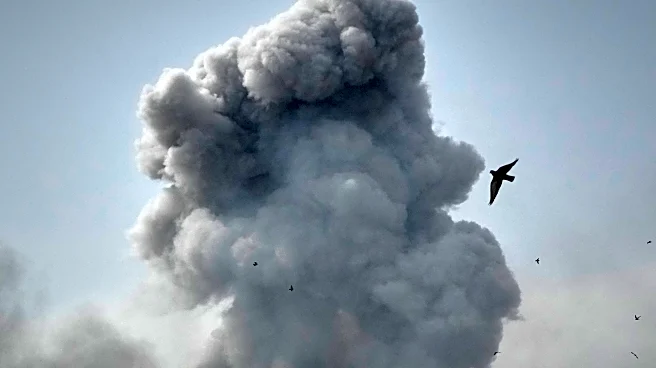
Over the weekend, Iranian retaliatory strikes targeted Gulf infrastructure, leading to service disruptions for major AI platforms such as Claude, ChatGPT, and Google Gemini. These disruptions were linked to electrical infrastructure vulnerabilities, as data
centers require continuous, uninterruptible power to function. The strikes affected Amazon Web Services' data centers in the UAE and Bahrain, causing widespread outages and impacting numerous services. The incident underscores the fragility of AI infrastructure in the region, which relies heavily on power grids and transformers that are vulnerable to attack.
Why It's Important?
The disruptions highlight the strategic vulnerability of AI infrastructure in the Gulf region, which hosts significant investments from major tech companies. The reliance on electrical infrastructure makes these data centers susceptible to targeted attacks, potentially jeopardizing billions of dollars in AI compute investments. The incident raises concerns about the security and stability of AI operations in regions close to geopolitical tensions, affecting the global AI industry and its supply chains. The ability to maintain uninterrupted power is crucial for AI training and operations, and any compromise can lead to significant losses.
What's Next?
The incident may prompt a reevaluation of infrastructure security standards in the Gulf region, with potential shifts in investment strategies by tech companies. There could be increased focus on hardening electrical infrastructure and exploring alternative locations for data centers. The insurance market may also react, affecting the viability of future investments. Stakeholders, including governments and tech companies, will likely engage in discussions to address these vulnerabilities and ensure the resilience of AI infrastructure against geopolitical threats.
Beyond the Headlines
The event highlights the broader implications of geopolitical conflicts on technological infrastructure, emphasizing the need for robust security measures. It also raises ethical considerations regarding the concentration of critical computing resources in politically unstable regions. The long-term impact may include shifts in global AI infrastructure strategies, with increased emphasis on decentralization and diversification to mitigate risks associated with regional conflicts.