


What's Happening?
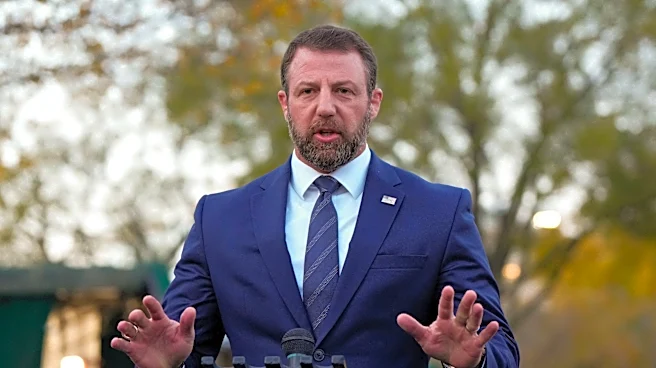
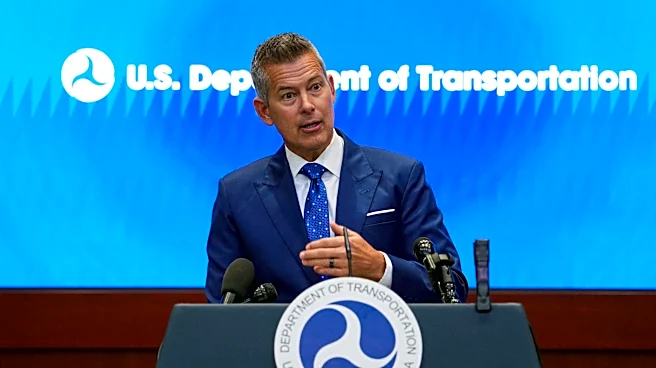
Transportation Secretary Sean Duffy stated that Friday's nationwide air travel shutdown was not believed to be cyber-related, attributing the incident to work on updating the system’s aging telecommunications lines. At a news conference, Secretary Duffy clarified
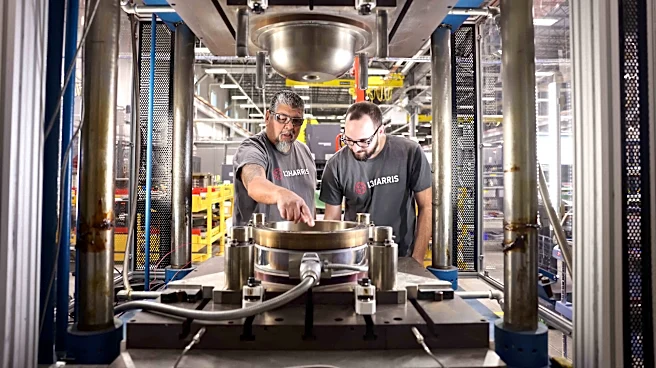
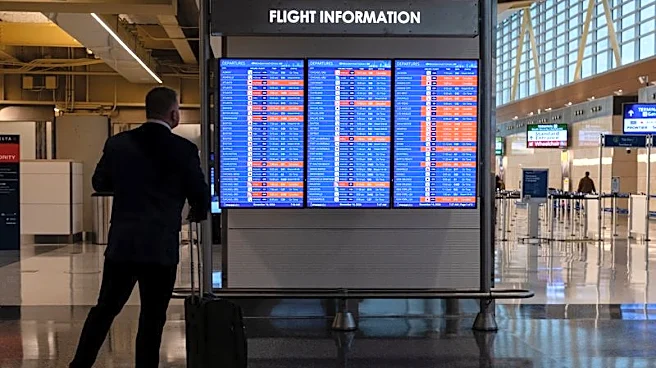
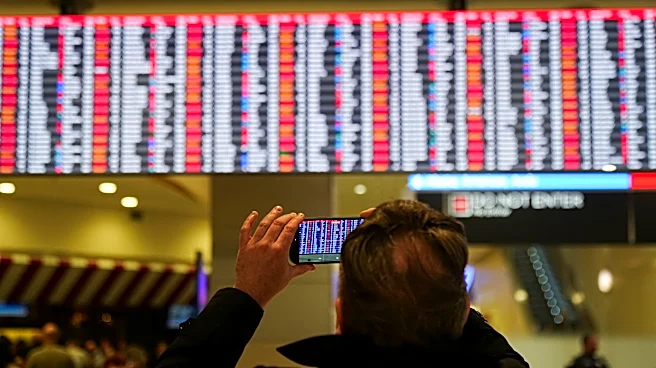
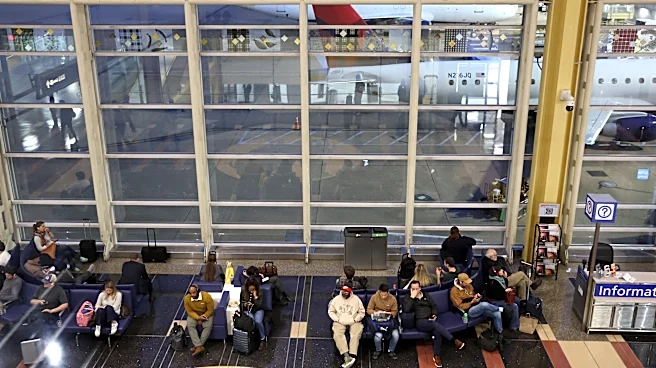
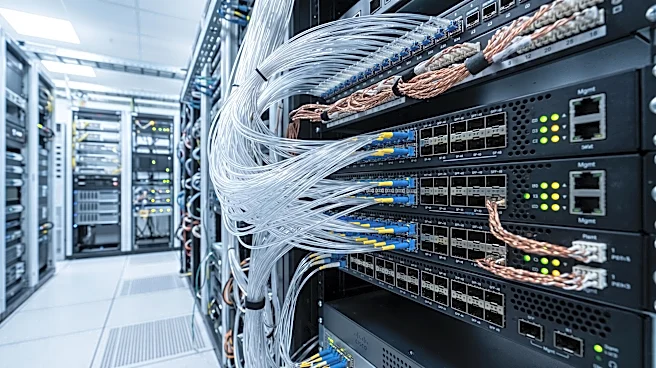
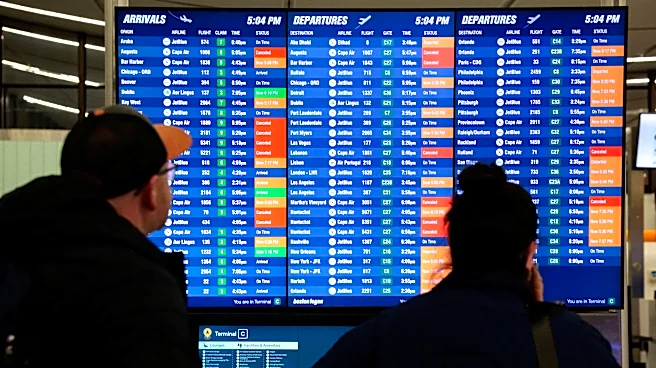
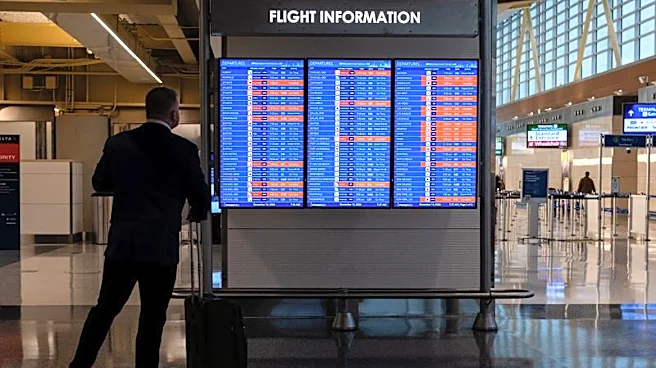
that investigators found no evidence of nefarious activity or AI involvement. The problem was pinpointed to a single facility where an FAA contractor was performing routine maintenance to switch from old copper wire to fiber. According to Duffy, a router being replaced by L3Harris, the FAA’s legacy telecom provider, either through contractor error or a faulty piece of equipment, began flooding other routers in the air traffic control system. This led the Federal Aviation Administration (FAA) to implement a more than four-hour ground stop, halting all flights across the United States and disrupting travel for hundreds of thousands of passengers. FAA Administrator Bryan Bedford supported the decision to implement the ground stop to relieve pressure and complexity in the airspace.
Why It's Important?
The FAA ground stop and subsequent explanation from Transportation Secretary Sean Duffy highlight critical issues regarding the modernization of national infrastructure and accountability within government contracts. The incident, which caused widespread travel disruptions, underscores the fragility of outdated systems and the significant impact that even routine maintenance can have if not executed flawlessly. The focus on 'contractor error or a faulty piece of equipment' from L3Harris raises questions about oversight, quality control, and the potential for single points of failure in essential services. This event could prompt increased scrutiny of government contracts for critical infrastructure upgrades and lead to calls for more robust testing and redundancy protocols. Furthermore, the incident fuels the ongoing debate in Congress about the need for increased funding to modernize the FAA's aging systems, a point echoed by both Secretary Duffy and President Trump, who shared a quote from Sen. John Kennedy urging such funding.
What's Next?
The FAA and L3Harris are currently investigating the precise cause of the router malfunction, with Secretary Duffy indicating a focus on determining if it was 'incompetence, meaning was it user error or installation error from L3Harris.' This investigation will likely lead to findings that could influence future FAA contracting practices and potentially result in penalties or revised agreements with L3Harris. In Congress, the incident is expected to intensify calls for increased funding to modernize the FAA's outdated systems, with lawmakers from both parties likely to push for legislative action. The Transportation Department may also implement new protocols for maintenance and upgrades on critical infrastructure to prevent similar disruptions. Airlines and the traveling public will be closely watching for assurances that such widespread ground stops will not recur, potentially leading to demands for greater transparency and accountability from the FAA.
Beyond the Headlines
Beyond the immediate technical and operational issues, the FAA ground stop exposes deeper systemic challenges within the nation's infrastructure. The reliance on legacy systems and the complexities of transitioning to modern technology highlight a broader national issue of underinvestment in critical infrastructure maintenance and upgrades. The incident also brings to light the intricate relationship between government agencies and private contractors, raising questions about the division of responsibility and accountability when failures occur. Ethically, there's a discussion to be had about the public's right to seamless and safe travel versus the inherent risks associated with maintaining complex, interconnected systems. This event could serve as a catalyst for a more comprehensive national strategy on infrastructure resilience, emphasizing not just technological upgrades but also robust oversight, contingency planning, and a culture of proactive maintenance across all critical sectors.