



What's Happening?
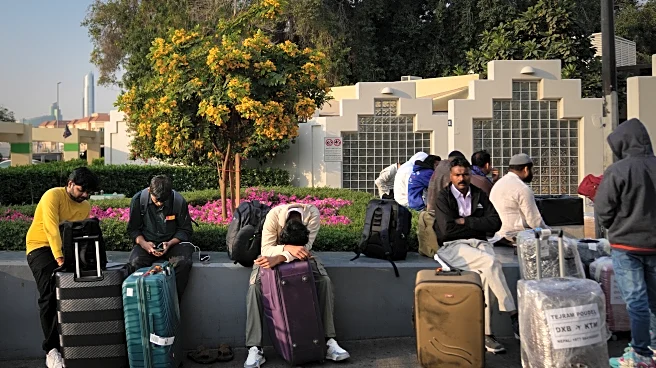
New Jersey residents, along with other Americans, are facing challenges in returning home from the Middle East due to the ongoing conflict with Iran. The situation has left individuals in over a dozen countries in the region scrambling for ways to safely
exit and return to the United States. The conflict has created significant travel disruptions and heightened concerns for those stranded abroad. CBS News New York's Lisa Rozner reports on the difficulties faced by these individuals as they navigate the complexities of international travel during a time of heightened geopolitical tension.
Why It's Important?
The inability of U.S. citizens to return home from the Middle East amid the conflict with Iran underscores the broader implications of international tensions on personal safety and travel. This situation highlights the vulnerability of individuals caught in geopolitical conflicts and the need for effective diplomatic and logistical solutions to ensure their safe return. The impact extends beyond personal inconvenience, affecting families, businesses, and communities in the U.S. that rely on the safe return of their members. It also raises questions about the preparedness of U.S. agencies to handle such crises and the effectiveness of international cooperation in times of conflict.
What's Next?
Efforts are likely to intensify to facilitate the safe return of stranded Americans, with potential involvement from U.S. diplomatic channels and international organizations. The situation may prompt discussions on improving crisis response mechanisms and travel advisories for U.S. citizens abroad. Stakeholders, including government agencies and airlines, may need to coordinate closely to address logistical challenges and ensure the safety of travelers. The evolving geopolitical landscape will continue to influence travel policies and diplomatic relations, potentially leading to new strategies for managing similar situations in the future.