






What's Happening?
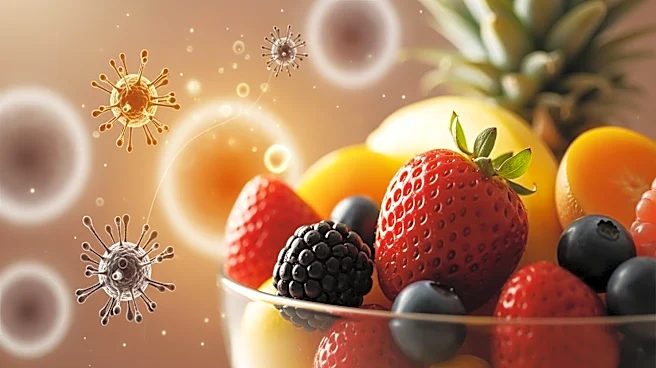
Recent research published in Nature highlights the impact of eating on the activation of T cells, a crucial component of the immune system. The study, conducted by Greg Delgoffe and his team at the University of Pittsburgh, found that T cells are more
effective in responding to threats after a meal. This is because the cells can access necessary nutrients more efficiently, enhancing their ability to proliferate and protect against infections. The research involved blood samples from human participants taken before and after meals, showing that post-meal T cells had improved metabolic profiles. These findings suggest that the timing of food intake could play a significant role in immune response, potentially influencing the effectiveness of immune therapies and vaccination schedules.
Why It's Important?
The study's findings could have significant implications for public health and medical practices. By understanding how diet influences immune function, healthcare providers might optimize vaccination schedules and immune therapies to coincide with periods of enhanced T cell activity. This could lead to more effective treatments and preventive measures against infections. Additionally, the research underscores the importance of considering dietary habits in medical assessments and treatment plans, potentially leading to personalized nutrition strategies that enhance immune health. The broader impact could include improved public health outcomes and reduced healthcare costs by preventing infections and enhancing the efficacy of treatments.
What's Next?
Future research may focus on identifying specific dietary components that most effectively boost T cell activity. This could lead to the development of dietary guidelines or supplements designed to enhance immune function. Additionally, clinical trials could explore the timing of meals in relation to vaccination and treatment schedules to maximize immune response. Healthcare providers might begin to incorporate dietary assessments into routine care, advising patients on optimal eating patterns to support immune health. As the understanding of diet-immune interactions grows, it could lead to significant shifts in public health recommendations and individual health practices.