



What's Happening?
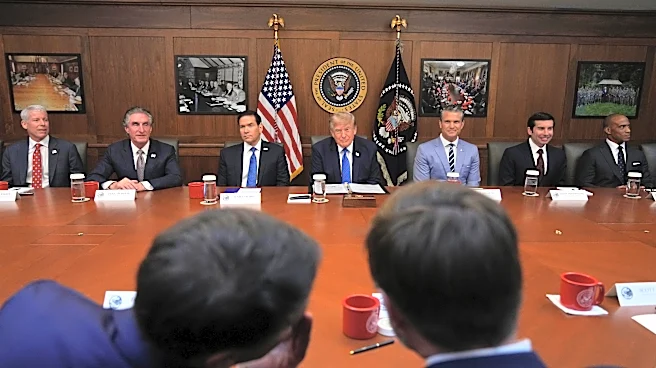
President Trump has disclosed that Secretary of State Marco Rubio's campaign against the International Criminal Court (ICC) was designed to protect Israeli Prime Minister Benjamin Netanyahu from prosecution. During a cabinet meeting at Camp David, Trump stated
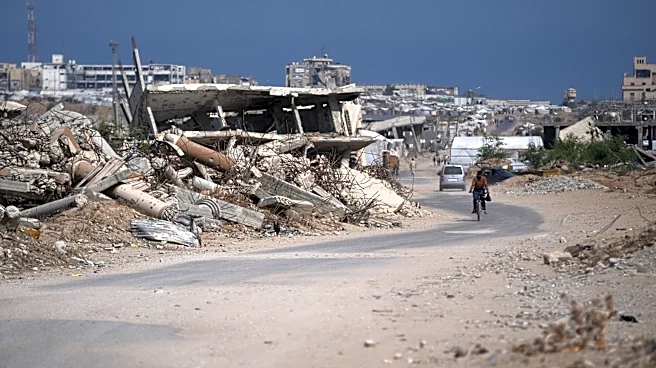
that Rubio was 'trying to defend Bibi and various other people.' This revelation follows Rubio's announcement of a U.S. initiative to 'dismantle' the ICC, which the State Department described as a 'whole-of-government response' to limit the court's operations. The campaign was initiated after the ICC issued arrest warrants for Netanyahu and former Minister of Military Affairs Yoav Gallant over alleged war crimes in Gaza. The ICC, established in 2002, investigates serious international crimes when national courts fail to do so. The U.S. has historically rejected the ICC's authority, particularly after the court's interest in U.S. military actions in Afghanistan. The Trump administration previously imposed sanctions on ICC officials, including former prosecutor Karim Khan, in response to investigations involving the U.S. and Israel.
Why It's Important?
This development underscores the complex interplay between international law and national politics. The U.S. campaign against the ICC highlights the challenges faced by international institutions in holding powerful nations accountable. By targeting the ICC, the U.S. aims to protect its allies and its own military personnel from international scrutiny. This move could weaken the ICC's ability to enforce international law, potentially emboldening other nations to disregard its authority. The situation also reflects the broader geopolitical tensions, as the U.S. seeks to shield its allies from legal consequences while maintaining its global influence. Human rights organizations have expressed concern over the implications for international justice and accountability.
What's Next?
The ongoing tension between the U.S. and the ICC is likely to continue, with potential legal and diplomatic repercussions. The ICC may face increased pressure to assert its independence and legitimacy in the face of U.S. opposition. Meanwhile, the U.S. could face criticism from the international community and human rights groups for undermining international legal norms. The lawsuit filed by ICC judges against the Trump administration in New York could set a precedent for future interactions between the U.S. and international judicial bodies. The outcome of this legal battle may influence the ICC's future operations and its ability to pursue cases involving powerful nations.
Beyond the Headlines
The U.S. stance against the ICC raises ethical questions about the balance between national sovereignty and international accountability. The situation highlights the potential for powerful nations to exert influence over international legal processes, potentially compromising the pursuit of justice for victims of war crimes and crimes against humanity. The broader implications for international law and order are significant, as the effectiveness of global institutions like the ICC depends on the cooperation and support of major powers. This case may prompt a reevaluation of the mechanisms for enforcing international law and the role of powerful nations in shaping global justice.