







What's Happening?
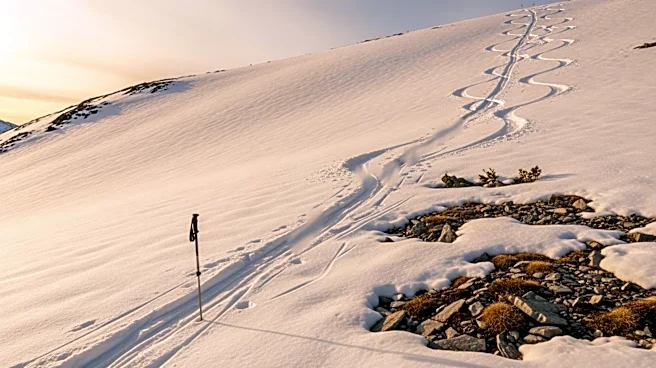
Australia is experiencing one of its worst starts to the ski season due to the newly-declared El Niño, which has brought unseasonably warm weather and heavy rain. This has resulted in minimal natural snow accumulation, with resorts relying on machine-made
snow to maintain operations. The situation is particularly challenging as the school holidays approach, with meteorologists warning that the current conditions could lead to the worst start to a ski season on record if significant snowfall does not occur soon.
Why It's Important?
The impact of El Niño on Australia's ski season highlights the broader economic and recreational implications of climate variability. The ski industry, which relies heavily on consistent snowfall, faces financial challenges due to reduced visitor numbers and increased operational costs associated with artificial snow production. This situation also affects local economies that depend on tourism revenue during the ski season. Additionally, the lack of natural snow raises concerns about the long-term viability of winter sports in the region amid changing climate patterns.
What's Next?
As the ski season progresses, resort operators and local businesses will need to adapt to the changing conditions by exploring alternative revenue streams and enhancing snow-making capabilities. Meteorologists will continue to monitor weather patterns, providing forecasts to help stakeholders plan accordingly. In the long term, the ski industry may need to consider strategies for climate adaptation, such as diversifying offerings to include non-snow-related activities, to ensure sustainability in the face of ongoing climate challenges.