



What's Happening?
The Trump administration has unveiled a 10-year plan to address water shortages along the Colorado River, opting for a less severe approach than initially anticipated. The plan allows for significant water cuts if necessary, but for the first two years,
it accepts a proposal from California, Arizona, and Nevada to reduce their water usage by 3.2 million acre-feet through 2028, avoiding the harshest cuts. The plan aims to balance the needs of downstream states with those of upstream states like Colorado, Wyoming, Utah, and New Mexico. The administration's approach is designed to be flexible, allowing for reassessment every two years to adapt to changing conditions.
Why It's Important?
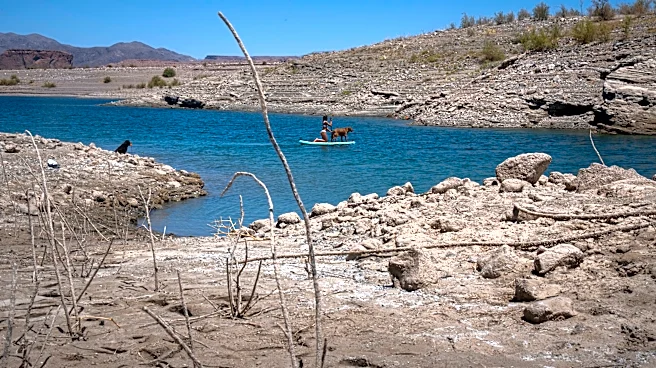
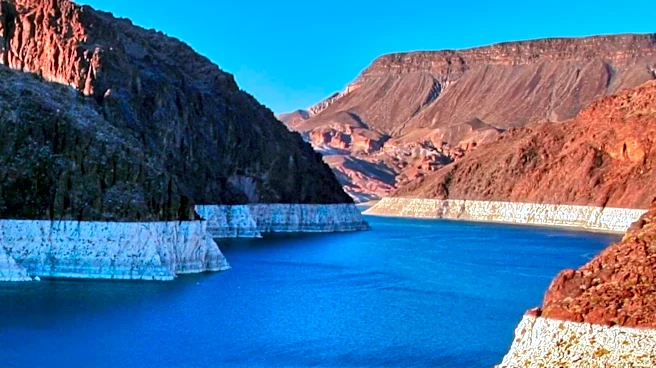
The Colorado River is a critical water source for millions of people and vast agricultural lands. The administration's decision to avoid the most severe cuts provides temporary relief to the Southwest, which has been grappling with prolonged drought and declining water levels in major reservoirs. However, the plan's lack of mandatory cuts for upstream states and its reliance on voluntary conservation measures could lead to tensions and potential legal challenges. The plan's success will depend on continued cooperation among the states and the ability to adapt to ongoing climate challenges.
What's Next?
The federal government will continue to monitor the situation and reassess the plan every two years. The administration's approach leaves room for further negotiations among the states, which could lead to more comprehensive agreements. However, the potential for legal disputes remains, as some states may challenge the plan's provisions. The ongoing management of the Colorado River will require careful balancing of competing interests and proactive measures to ensure water security in the face of climate change.