








What's Happening?
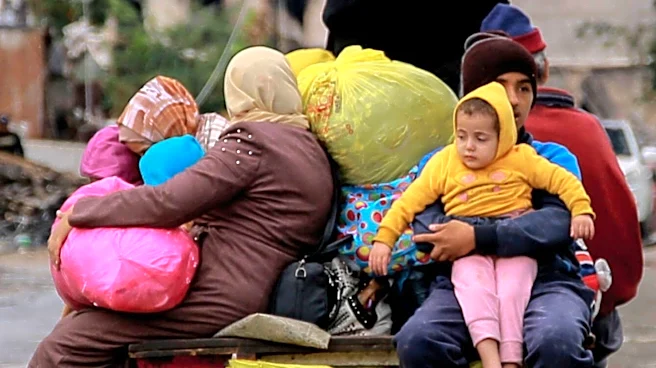
The International Organization for Migration (IOM) has issued a critical warning regarding the escalating displacement crisis in Yemen, where over 340,000 people have been forced to flee their homes due to ongoing hostilities and increasing insecurity.
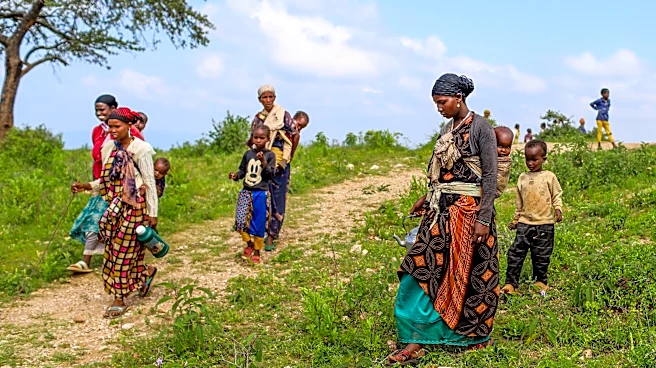
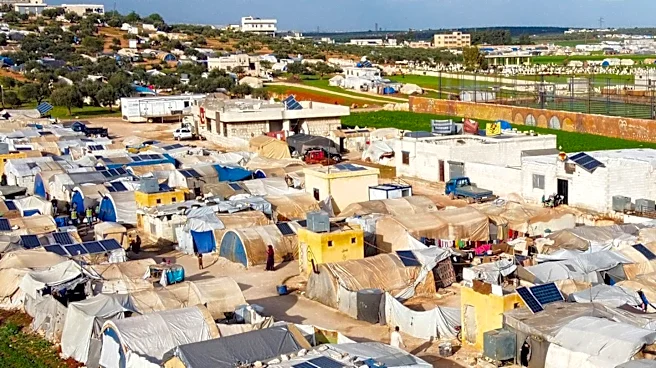
In less than a week, more than 24,000 individuals have been newly displaced. Abdusattor Esoev, IOM Chief of Mission in Yemen, highlighted the dire situation, emphasizing the challenges faced by families without adequate shelter, food, or clean water. The majority of those displaced are from Taiz (66%), Lahj (21%), and Al Hodeidah (12%) governorates. The crisis is further exacerbated by restrictions on key transport routes, which are severely disrupting the delivery of life-saving humanitarian assistance and hindering aid workers' access to those in need.
Why It's Important?
The ongoing crisis in Yemen, marked by widespread displacement and hindered aid delivery, represents a significant humanitarian challenge with potential broader implications. The U.S. has historically been a major donor of humanitarian aid globally, and the deteriorating situation in Yemen could necessitate increased financial and logistical support. The instability and humanitarian catastrophe in Yemen also contribute to regional insecurity, which can affect U.S. strategic interests in the Middle East. The strain on limited resources and the struggle of humanitarian organizations to keep pace with the growing needs underscore the urgency for international intervention and funding. The current 2026 Humanitarian Response Plan for Yemen, requesting $2.1 billion, is only 23% funded, indicating a critical shortfall that directly impacts the ability to provide essential services and prevent further suffering.
What's Next?
IOM is actively monitoring displacement trends and sharing information with other humanitarian organizations and local authorities, but emphasizes the urgent need for more assistance and sustained humanitarian access. The organization calls for increased funding to prevent the situation from deteriorating further, highlighting that delays in aid delivery put more families at risk. Efforts will continue to advocate for the protection of civilians and unimpeded humanitarian access throughout Yemen, including in critical areas like Taiz City, where movement remains restricted and vital supply routes are cut off. Humanitarian organizations like Médecins Sans Frontières (MSF) and UNICEF are continuing to provide essential services, but their efforts are stretched thin by the overwhelming demand and funding shortfalls.
Beyond the Headlines
The Yemen crisis extends beyond immediate humanitarian concerns, revealing deeper issues of protracted conflict, economic collapse, and the breakdown of essential services. The targeting of civilian infrastructure, including health facilities, and the high number of child casualties highlight the severe impact of the conflict on the most vulnerable populations. The economic repercussions, such as disruptions to commercial transport and market instability, further entrench poverty and food insecurity. The international community's struggle to adequately fund the humanitarian response reflects a broader challenge in addressing complex emergencies. This situation underscores the long-term consequences of conflict on national development, public health, and social cohesion, creating a cycle of dependency and vulnerability that will require sustained international engagement and peace-building efforts to overcome.