

What's Happening?
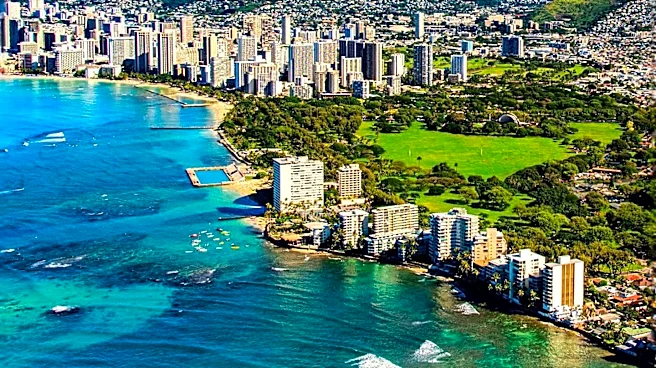
The U.S. Geological Survey (USGS) is observing September as National Preparedness Month, urging Hawaii residents to prepare for various natural disasters, including earthquakes and volcanic eruptions. The USGS Hawaiian Volcano Observatory (HVO) emphasizes
four key steps for preparedness: understanding local hazards, creating an emergency plan, assembling an emergency supply kit, and engaging with community preparedness efforts. HVO scientists closely monitor active volcanoes and communicate activity levels through the USGS Volcano Alert Level and Aviation Color Code systems. The Federal Emergency Management Agency (FEMA) is highlighted as a crucial resource, with its ready.gov website offering tools for household emergency planning, including evacuation strategies, communication channels, and supply checklists. Given Hawaii's isolated and rural communities, self-sufficiency during and after hazardous events is particularly important, as aid arrival can be delayed.
Why It's Important?
Hawaii faces unique challenges due to its geographic isolation and high susceptibility to natural disasters like earthquakes and volcanic eruptions, which can occur without seasonal predictability. Effective preparedness is vital for residents to ensure their safety and self-sufficiency when aid might be delayed. The USGS's emphasis on National Preparedness Month, coupled with the promotion of FEMA's resources, underscores the critical need for proactive planning at the individual and community levels. Understanding hazard risks, having a family emergency plan, and maintaining a supply kit can significantly reduce the impact of disasters, protect lives, and facilitate quicker recovery. This initiative is crucial for building community resilience and ensuring that residents are equipped to handle emergencies independently until official assistance arrives.
What's Next?
Residents are encouraged to actively engage with the preparedness steps outlined by USGS and FEMA. This includes signing up for notifications from HVO via the Volcano Notification Service (VNS) and local civil defense agencies. Utilizing FEMA's ready.gov website to create personalized emergency plans and supply kits, considering specific family needs like pet supplies, is a key action. Furthermore, community involvement, such as practicing and socializing emergency plans with neighbors, is highlighted as essential, especially in Hawaii's isolated communities where initial response often falls to the affected community. Ongoing monitoring by HVO scientists will continue to provide real-time updates on volcanic activity, allowing residents to stay informed and react appropriately.
Beyond the Headlines
This focus on preparedness in Hawaii reveals deeper insights into the challenges of disaster management in geographically isolated regions. The emphasis on community self-sufficiency and local response highlights a critical gap that federal and state aid cannot always immediately fill. It also underscores the importance of scientific monitoring and clear communication from agencies like USGS in empowering communities to take proactive measures. The promotion of FEMA's resources, despite recent controversies surrounding federal aid distribution in other states, reinforces its foundational role in national preparedness. This situation could also serve as a case study for other remote or vulnerable regions, demonstrating the necessity of integrating scientific data, individual responsibility, and community-led initiatives to build comprehensive disaster resilience.