




What's Happening?
The U.S. Travel Association has expressed concerns following the end of the longest Department of Homeland Security (DHS) shutdown in history. The House of Representatives recently passed a bill to restore funding to the DHS, which had been disrupted
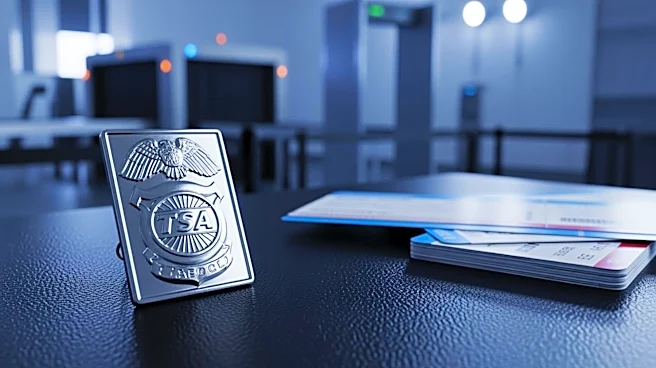
for an extended period. Geoff Freeman, President and CEO of the U.S. Travel Association, highlighted the negative consequences of the shutdown, including the departure of over 1,100 TSA officers and a decline in workforce morale. The shutdown has also affected the country's preparedness for upcoming events like the World Cup. Freeman criticized the use of government shutdowns as a political tool, emphasizing the adverse effects on national security and the traveling public.
Why It's Important?
The prolonged shutdown of the DHS has significant implications for national security and the travel industry. The departure of TSA officers and the decline in morale could lead to operational challenges and security vulnerabilities at airports. This situation underscores the critical role of DHS in maintaining national security and facilitating safe travel. The use of shutdowns as a political strategy poses risks to essential services and can undermine public confidence in government institutions. Ensuring the stability and reliability of DHS operations is crucial for the safety of travelers and the effective functioning of the travel industry, which is a vital component of the U.S. economy.
What's Next?
Moving forward, there is a need for legislative measures to prevent future shutdowns from affecting critical services like those provided by the DHS. Lawmakers are urged to ensure that TSA officers and air traffic controllers receive their salaries during any potential future shutdowns to maintain operational continuity and morale. The travel industry and national security stakeholders will likely advocate for policies that protect essential services from political disruptions. The focus will be on rebuilding workforce strength and morale to ensure preparedness for major events and the ongoing safety of the traveling public.