







What's Happening?
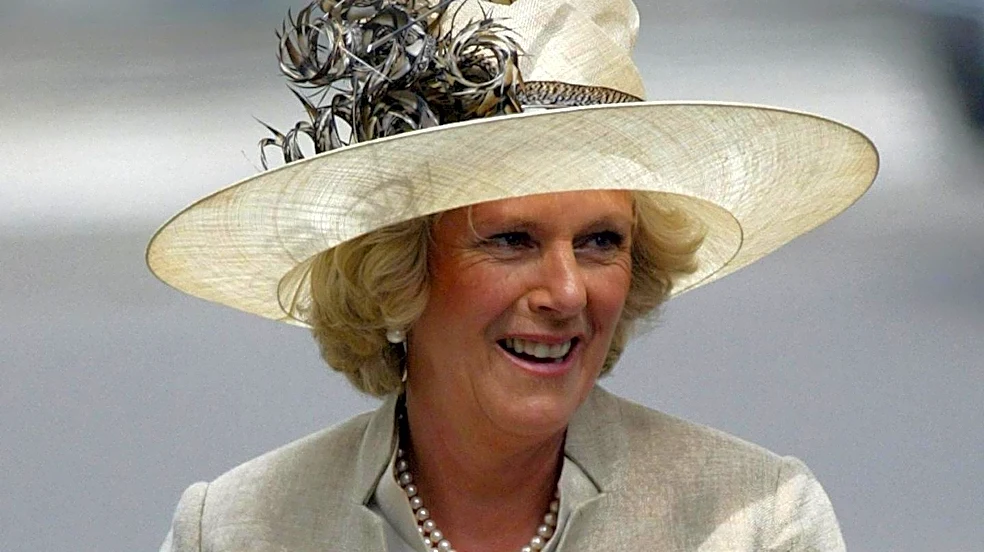
New insights reveal that Queen Camilla, formerly Camilla Parker-Bowles, initially harbored significant reservations about marrying King Charles III and assuming an official royal role. Biographers like Ingrid Seward and sources from RadarOnline indicate
that Camilla actively tried to dissuade Charles from the marriage. Her primary concern was the potential loss of personal freedom and independence, which she had valued throughout her life. She understood that becoming a royal would place her under intense public scrutiny, with her appearance, decisions, and relationships constantly analyzed. This reluctance stemmed from a desire to avoid the spotlight and maintain a comfortable, private existence, a stark contrast to the public duties expected of a royal consort. The sources suggest that while comparisons to Princess Diana were a factor, Camilla's deeper apprehension was about the fundamental shift in her lifestyle that royal life would entail. She was content with being Charles's beloved partner but found the prospect of hundreds of official engagements daunting.
Why It's Important?
This revelation offers a more nuanced understanding of Queen Camilla's journey into the British Royal Family, moving beyond the long-standing public narrative that often cast her in opposition to Princess Diana. It highlights the immense personal sacrifice and adaptation required of individuals marrying into the monarchy, even for those who have been part of the royal orbit for decades. For the public, it humanizes Camilla, showing her as someone who grappled with the loss of personal autonomy, a sentiment that resonates with broader discussions about privacy and public life. This perspective could influence public perception of the monarchy, emphasizing the personal burdens carried by its members. It also underscores the unique pressures faced by royal consorts, who must navigate a role that demands both public visibility and adherence to strict protocols, often at the expense of individual desires. The insights suggest that the challenges of royal life are universal within the institution, affecting different individuals in similar ways.
What's Next?
The ongoing public interest in the personal lives of the British Royal Family suggests that these revelations will continue to shape public discourse around Queen Camilla's role and legacy. As the monarchy continues to evolve, understanding the personal struggles of its members, particularly those who married into the institution, could inform future public relations strategies and potentially lead to a more empathetic portrayal of royal figures. Biographers and royal commentators are likely to further explore these themes, potentially unearthing more details about Camilla's initial reluctance and her eventual acceptance of her role. This could also influence how future generations of royals, particularly those marrying into the family, are prepared for the demands of public life. The narrative of Camilla's journey from a private individual to a public figure, and her eventual empathy for Diana's experiences, may become a significant part of the monarchy's historical record, offering lessons on the personal costs of public service.
Beyond the Headlines
The deeper implication of this story lies in its exploration of the psychological and emotional toll of royal life, particularly for those who did not grow up within the institution. Camilla's initial reluctance and her later understanding of Diana's struggles highlight a shared human experience of grappling with immense public pressure and the loss of personal freedom. This transcends the specific context of the British monarchy, touching upon universal themes of identity, duty, and personal sacrifice. It suggests that the 'golden cage' of royalty, while offering privilege, also imposes significant constraints on individual autonomy and well-being. The narrative encourages a re-evaluation of public figures, urging a look beyond superficial perceptions to understand the complex personal journeys that shape their public roles. It also subtly critiques the relentless public scrutiny that royal figures endure, prompting reflection on the ethical boundaries of public interest versus private lives.