

What's Happening?
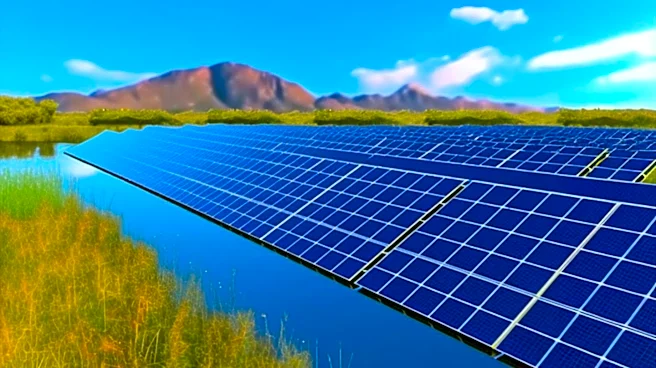
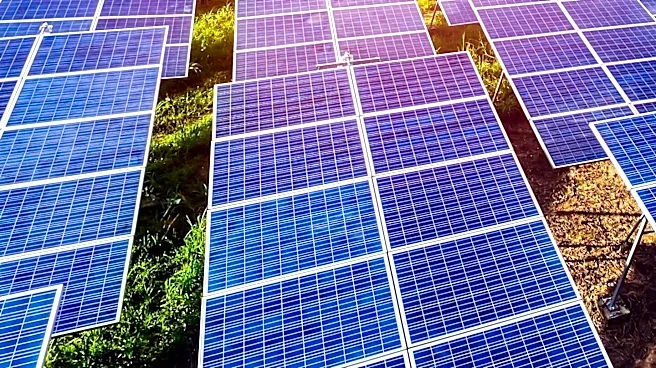
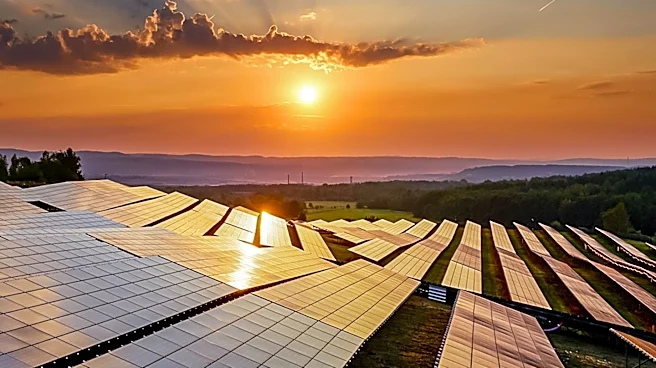
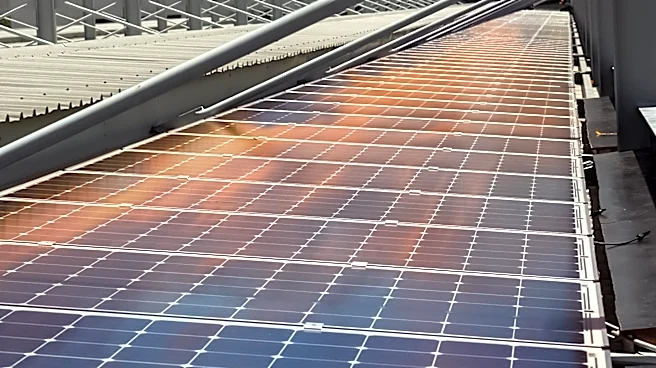
In May 2026, Utah's solar power generation surpassed all other sources of electricity for the first time, marking a significant shift away from coal. Solar panels in Utah produced nearly 1 terawatt hour of electricity, accounting for almost a third of the state's
total electricity generation that month. This development is attributed to the operation of several large solar farms, including the Green River Energy Center and the Faraday Solar project. The rise of solar power in Utah is seen as a positive development for the environment and the state's economy, supporting thousands of jobs and attracting significant investment.
Why It's Important?
Utah's transition to solar power reflects a broader trend in the U.S. towards renewable energy sources. The shift away from coal reduces greenhouse gas emissions and improves air quality, contributing to environmental sustainability. The growth of the solar industry in Utah also supports economic development, creating jobs and attracting investment. As the state continues to expand its solar capacity, it sets an example for other regions seeking to transition to cleaner energy sources. The success of solar power in Utah highlights the potential for renewable energy to play a significant role in the U.S. energy landscape.
What's Next?
Utah's solar power sector is expected to continue growing, with further investments and developments in the pipeline. The state has the potential to increase its solar capacity, given its sunny climate and available land. Policymakers and industry stakeholders will need to address challenges related to grid integration and energy storage to ensure the reliability of solar power. The ongoing transition to renewable energy may also influence state and federal energy policies, encouraging further support for clean energy initiatives.