





What's Happening?
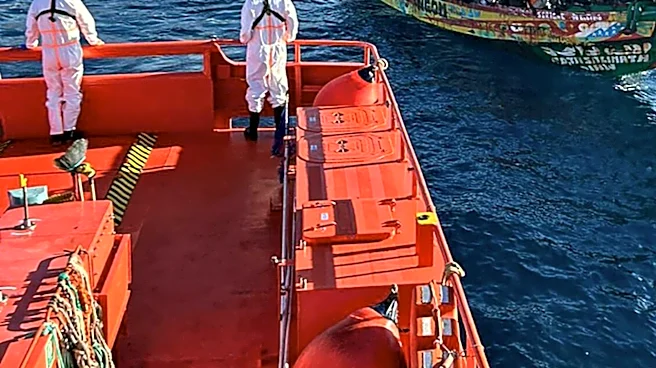
France has been leading Operation Aspides, a European Union naval mission, since February 2024. The primary objective of this mission is to safeguard maritime routes in the Red Sea from attacks by Houthi forces. This initiative is part of a broader European strategy
to enhance maritime security across the region. The operation underscores France's strategic focus on the Euro-MENA (Europe-Middle East and North Africa) area, reflecting a shift in its security architecture towards the Mediterranean arc. This move comes as France aims to strengthen its defense capabilities and foster greater European sovereignty in defense, as outlined in its National Strategic Review 2025. The mission also highlights increasing cooperation between European nations and countries in the Indo-Pacific, with Italian naval vessels regularly visiting Japan and participating in multinational exercises, signaling a more integrated approach to global security challenges.
Why It's Important?
Operation Aspides is significant as it demonstrates Europe's growing commitment to independently address security threats in critical maritime regions, reducing reliance on traditional global powers. The protection of Red Sea shipping lanes is vital for global trade, as disruptions can lead to increased shipping costs, supply chain delays, and broader economic instability. For the U.S., this European-led effort could signify a potential shift in the burden-sharing of international security responsibilities, allowing the U.S. to reallocate resources or focus on other strategic priorities. However, it also implies a more assertive European defense posture that might influence existing alliances and diplomatic dynamics. The mission's success could bolster European credibility as a security provider, while failure could expose vulnerabilities and necessitate greater international intervention.
What's Next?
The continuation of Operation Aspides will likely involve ongoing naval deployments and potential adjustments to tactics based on evolving threats in the Red Sea. European nations are expected to further integrate their defense capabilities and coordination, possibly leading to more joint exercises and shared intelligence. France, in particular, will continue to strengthen its strategic partnerships in the MENA region, viewing these countries not just as arms purchasers but as co-producers of regional stability. This could involve increased defense cooperation, joint production initiatives, and diplomatic efforts to foster a more balanced Euro-Mediterranean security order. The mission's long-term success will depend on sustained political will, adequate resource allocation, and effective collaboration among participating nations and regional partners.
Beyond the Headlines
Operation Aspides represents a deeper trend of European nations seeking greater strategic autonomy in defense and security matters, particularly in regions critical to their economic and geopolitical interests. This move could lead to a recalibration of global power dynamics, as Europe aims to project influence independently of the U.S. It also highlights the evolving nature of international security, where regional powers are increasingly taking the lead in addressing localized threats. Ethically, the mission raises questions about the responsibility of naval powers to protect international shipping lanes and the balance between national sovereignty and collective security. Legally, the operation operates under international maritime law, but the complexities of engaging non-state actors like the Houthis present ongoing challenges regarding rules of engagement and accountability.