







What's Happening?
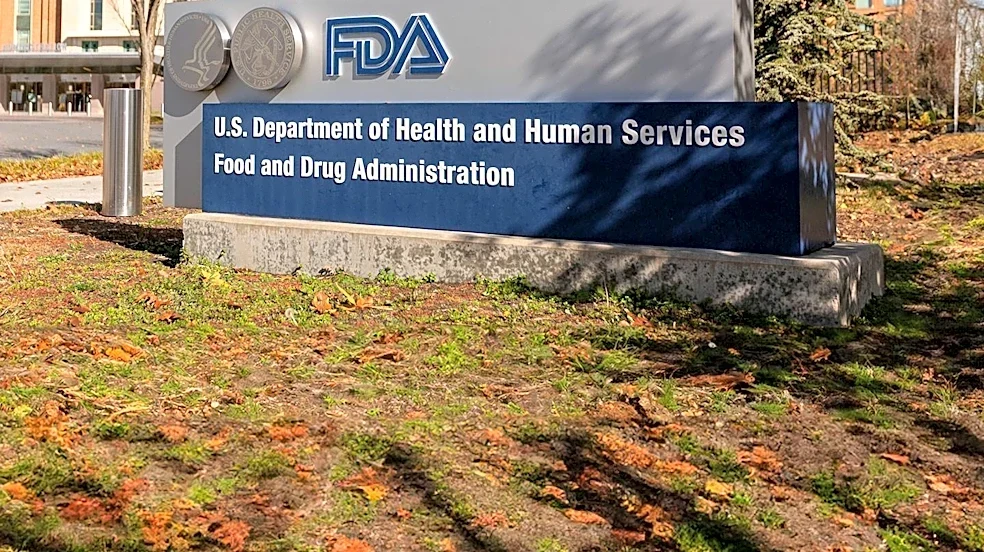
The U.S. Food and Drug Administration (FDA) has released draft action levels for cadmium in processed foods intended for babies and young children. This move is part of the FDA's 'Closer to Zero' initiative, launched in 2021, which aims to reduce heavy
metals in foods consumed by infants and children under two years old. The draft guidance provides specific cadmium limits for various baby food categories: 10 parts per billion (ppb) for fruits, vegetables (excluding single-ingredient carrots), and mixtures; 20 ppb for yogurts, puddings, and custards; 25 ppb for single-ingredient carrots and meats; and 45 ppb for dry infant cereals. While these are draft levels, they indicate the FDA's determination that cadmium content above these thresholds constitutes a reasonably avoidable health hazard. This guidance follows the FDA's previous finalization of action levels for lead in baby food and is a significant step in providing predictability for baby food manufacturers and marketers.
Why It's Important?
The FDA's proposed action levels for cadmium are crucial for several reasons. They provide a benchmark for baby food manufacturers, guiding them in producing safer products and potentially leading to industry-wide improvements in food safety standards for infants and young children. For consumers, these guidelines offer a greater assurance that the baby foods they purchase meet specific safety criteria regarding cadmium content. The draft levels also have legal implications; plaintiffs in consumer litigation may use these FDA guidelines to support claims that a product's cadmium levels violate consumer protection laws. Furthermore, some states have laws that mandate disclosure of heavy metal test results and prohibit the distribution of baby food exceeding FDA action levels, meaning manufacturers must comply with these draft levels to avoid legal issues at the state level. This initiative underscores the ongoing public health concern regarding heavy metals in children's food and the regulatory efforts to address it.
What's Next?
Following the issuance of this draft guidance, the FDA will likely enter a period of public comment, allowing stakeholders, including manufacturers, consumer advocacy groups, and scientific experts, to provide feedback. This feedback will be considered as the FDA works towards finalizing these action levels. Once finalized, these levels will serve as official benchmarks for the agency in determining whether a food product is adulterated and whether enforcement action is warranted. Manufacturers and marketers of baby food will need to adjust their sourcing, processing, and testing protocols to ensure compliance with the new standards. States with existing laws regarding heavy metals in baby food may also update their regulations to align with the finalized FDA action levels, potentially leading to more stringent enforcement across the country. The FDA may also continue to collect data on other food categories, such as grain-based snacks, which could lead to further guidance in the future.
Beyond the Headlines
The FDA's focus on cadmium in baby food highlights a broader societal concern about environmental contaminants in the food supply, particularly for vulnerable populations like infants. Cadmium, a heavy metal, can accumulate in the body and has been linked to developmental and health issues. This initiative reflects a growing demand for transparency and accountability from food producers regarding the safety and purity of their products. Beyond direct regulation, these action levels could spur innovation in agricultural practices and food processing technologies aimed at reducing heavy metal contamination at the source. It also underscores the complex challenge of entirely eliminating naturally occurring contaminants from food, necessitating a risk-management approach rather than absolute eradication. The ongoing 'Closer to Zero' initiative signifies a long-term commitment from the FDA to continuously monitor and reduce exposure to heavy metals in children's diets, potentially setting precedents for how other food safety issues are addressed in the future.