





What's Happening?
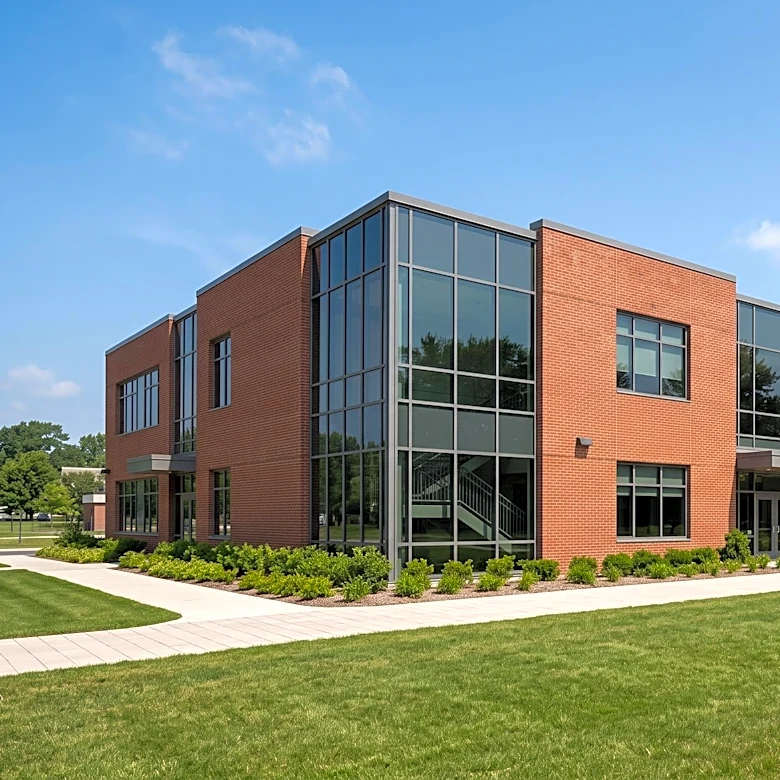
Kansas State University (K-State) has inaugurated the Western Star Global Grain and Food Center, a landmark facility designed to integrate grain, food, and animal sciences. This 178,000-square-foot, three-story center represents the final and largest
construction project of the university's $216 million Agriculture Innovation Initiative. The new center provides a shared home for bakery science and management, feed and pet food science, food science and industry, and milling science and management programs, while also strengthening connections with the Department of Animal Sciences and Industry. The facility features specialized teaching and research laboratories, pilot-scale processing spaces, flexible interdisciplinary research areas, a 236-seat lecture hall, and dedicated collaboration spaces. According to President Richard Linton, the center aims to bring faculty together across disciplines, create exceptional experiences for students, and connect research, innovation, education, and industry. The center's physical connection to Weber Hall further extends its interdisciplinary approach by linking to newly renovated animal science teaching and research spaces.
Why It's Important?
The Western Star Global Grain and Food Center is a significant development for the U.S. agricultural sector, particularly in Kansas, a leading agricultural state. By bringing together diverse disciplines under one roof, the center is poised to accelerate discovery and innovation across the entire agricultural value chain, from grain kernel to finished food product and from raw ingredient to animal and pet nutrition. This integrated approach is crucial for addressing the complex challenges facing a rapidly changing global food system, including food security, sustainability, and economic competitiveness. The facility's emphasis on pilot-scale processing, research, student training, and industry partnerships provides students with hands-on experience and prepares them for leadership roles in the grain and food industries. This investment in education and research will benefit American farmers, producers, and consumers by fostering advancements in food safety, animal health, and agricultural efficiency, ultimately strengthening the nation's agricultural economy.
What's Next?
The Western Star Global Grain and Food Center is expected to become a hub for ongoing collaboration between public resources and private enterprise. Students will continue to engage in hands-on learning experiences in state-of-the-art laboratories, including the milling science teaching laboratory, Food Science Test Kitchen, Bakery Science Laboratory, and feed and pet food pilot plant. The complex also includes the new 1863 Marketplace, which will showcase College of Agriculture-produced products and support the return of on-campus Call Hall Ice Cream production by spring 2027, creating additional learning opportunities for students. K-State anticipates that the center will foster new partnerships and research initiatives, leading to innovative solutions for the agricultural industry. The university views this opening not as a finish line, but as a starting line for continued advancements in agricultural education, research, and engagement, with a lasting impact on Kansas and beyond.
Beyond the Headlines
The establishment of the Western Star Global Grain and Food Center reflects a broader strategic vision within U.S. agricultural education to create more integrated and industry-relevant learning environments. The center's design, which intentionally creates space for researchers, students, and industry partners to work side by side, signifies a shift towards more collaborative models of innovation. This approach not only enhances the practical skills of future agricultural leaders but also ensures that research directly addresses the needs and challenges of the industry. The center's name, honoring Kansas' agricultural heritage and philanthropic legacies, underscores the deep-rooted connection between academic institutions and the communities they serve. This initiative also highlights the importance of federal support, including Congressionally Directed Spending, in bolstering research infrastructure and fulfilling the land-grant mission of universities to serve the public good through education and innovation.