







What's Happening?
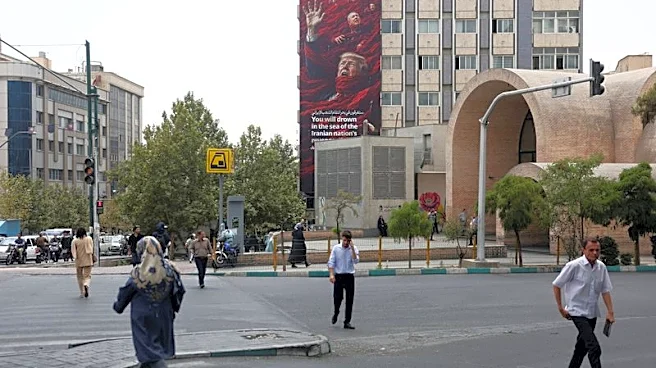
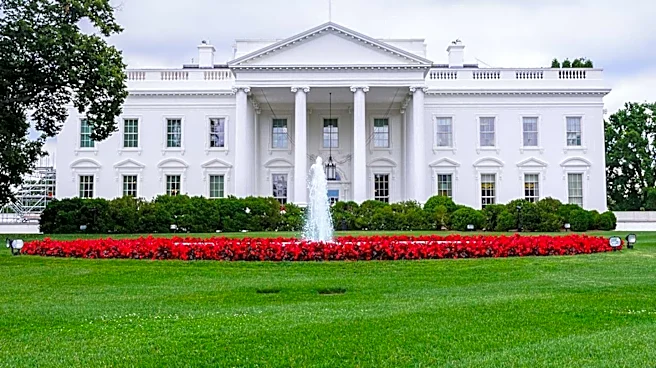
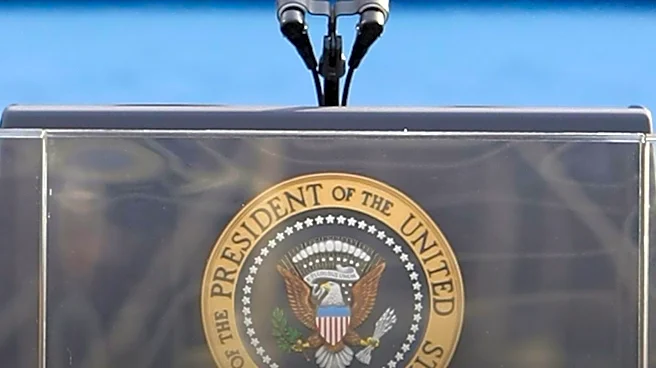
President Trump has accused Iran of engaging in secret negotiations with the United States while publicly denying any talks. In a post on Truth Social, Trump claimed that Iranian leaders were seeking discussions behind closed doors regarding the Strait
of Hormuz and Iran's nuclear program. This comes after Trump postponed planned military strikes against Iran to allow for diplomatic negotiations. Despite Trump's assertions, Iranian officials have denied any direct negotiations with the U.S., maintaining that discussions are only occurring with Oman about navigation through the Strait of Hormuz.
Why It's Important?
The situation highlights ongoing tensions between the U.S. and Iran, with significant implications for regional security and international relations. The Strait of Hormuz is a critical shipping lane for global oil supplies, and any disruption could impact global energy markets. The U.S.'s stance on preventing Iran from acquiring nuclear weapons remains a key foreign policy objective. The diplomatic dispute also affects U.S. relations with allies and regional powers, as evidenced by Saudi Arabia's call for dialogue to reduce tensions. The outcome of these negotiations could influence geopolitical stability in the Middle East.
What's Next?
The U.S. and Iran may continue to engage in indirect negotiations, with potential involvement from regional and international stakeholders. The situation could lead to further diplomatic efforts or military actions, depending on the progress of talks and Iran's response. The U.S. State Department has issued security warnings for Americans in the Middle East, indicating the potential for escalating conflict. The international community will likely monitor developments closely, with implications for global security and economic stability.