

What's Happening?
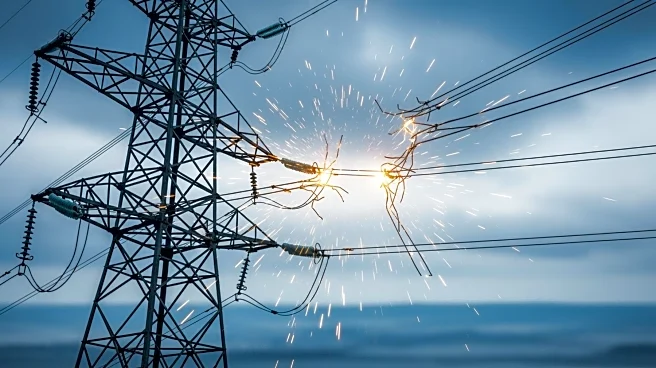
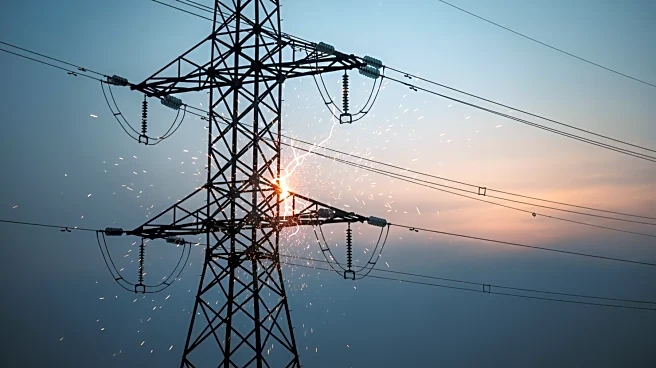
Poland's Prime Minister, Donald Tusk, has accused Russia of orchestrating cyberattacks targeting the country's energy infrastructure. These attacks, which occurred in December, were aimed at two power plants and renewable energy facilities. Although the attacks were not
massive enough to cause a total blackout, they posed a significant threat, potentially leaving 500,000 people without electricity. Tusk indicated that the attacks were likely prepared by groups linked to Russian special services. Poland, a key member of the European Union and NATO, has been a strong supporter of Ukraine since Russia's full-scale invasion in 2022. The country has faced repeated cyber threats, with hacker groups targeting critical infrastructure, including hospitals and water treatment facilities. Poland ranks third globally for ransomware attacks and second for malicious email threats, highlighting its vulnerability to cyberattacks.
Why It's Important?
The cyberattacks on Poland's energy infrastructure underscore the growing threat of hybrid warfare tactics employed by Russia. As a frontline NATO member, Poland's security is crucial for the stability of the region. The attacks highlight the vulnerability of critical infrastructure to cyber threats, which can have severe consequences for national security and public safety. The situation also emphasizes the need for robust cybersecurity measures and international cooperation to counter such threats. The ongoing cyberattacks could strain Poland's resources and impact its ability to support Ukraine, potentially affecting the broader geopolitical dynamics in Eastern Europe.
What's Next?
Poland is likely to enhance its cybersecurity measures and seek further support from NATO and the European Union to counter the cyber threats. The country may also push for stronger international sanctions against Russia and increased cooperation with allies to address the growing cyber threat. The situation could lead to heightened tensions between Poland and Russia, with potential diplomatic and economic repercussions. Additionally, other NATO members may increase their cybersecurity efforts to prevent similar attacks on their infrastructure.