


What's Happening?
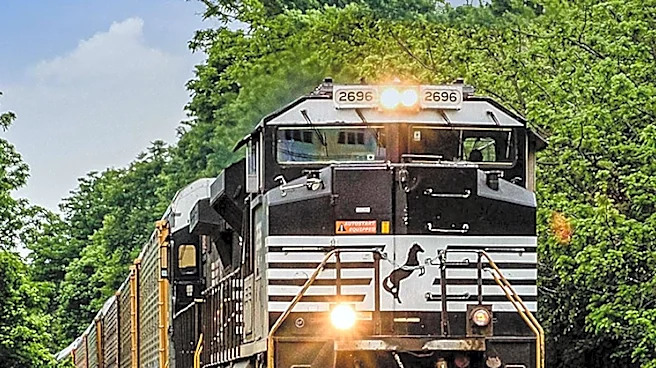
Congressman John Joyce (R-PA) has sent a letter to Norfolk Southern (NS) demanding answers regarding a series of four train derailments that occurred between February and October 2026. The most recent incident took place on October 23 in Altoona, Pennsylvania,
involving a train carrying hazardous materials near the Horseshoe Curve. This marks the fourth derailment in the area within a nine-month period. Congressman Joyce, who is a cosponsor of the Railway Safety Act, emphasized that rail safety is a personal and congressional responsibility. He stated that communities deserve answers and that the safety of residents and passengers should not be compromised. The Brotherhood of Locomotive Engineers and Trainmen (BLET) and its partner unions are also addressing these safety concerns, particularly in the context of a proposed merger between Union Pacific and Norfolk Southern, which they oppose.
Why It's Important?
The repeated train derailments, especially those involving hazardous materials, pose significant risks to the safety and well-being of U.S. communities located along railway lines. The incidents highlight ongoing concerns about rail safety practices and infrastructure, which could have severe environmental and public health consequences. Congressman Joyce's intervention underscores the growing political pressure on railway companies to enhance safety measures. The proposed Union Pacific-Norfolk Southern merger further complicates the situation, as increased train traffic and longer trains could exacerbate existing safety issues. Regulators are now under increased scrutiny to demand clear answers and ensure that any corporate consolidations do not compromise public safety. The involvement of unions like BLET indicates a broader labor and community push for accountability and improved safety standards in the rail industry.
What's Next?
Norfolk Southern is expected to respond to Congressman Joyce's letter, providing explanations for the recent derailments and outlining steps to prevent future incidents. The Surface Transportation Board will likely face increased pressure from lawmakers and unions to thoroughly scrutinize the safety implications of the proposed Union Pacific-Norfolk Southern merger. Communities affected by the derailments, such as Altoona and Lockland, Ohio, will continue to advocate for enhanced safety protocols and accountability from railway operators. Further legislative action, potentially building on the Railway Safety Act, could be pursued in Congress to mandate stricter safety regulations for the rail industry. The ongoing dialogue between lawmakers, railway companies, and labor unions will shape the future of rail safety in the U.S.
Beyond the Headlines
The recurring train derailments raise broader questions about the balance between corporate efficiency and public safety in critical infrastructure sectors. The incidents may prompt a reevaluation of regulatory oversight and enforcement mechanisms for railway operations. There's a potential for increased public demand for transparency regarding the types of materials transported by rail and the emergency response capabilities in place. The economic impact on affected communities, including potential property damage and health concerns, could lead to calls for greater corporate responsibility and compensation. Furthermore, these events could fuel a national conversation about investing in modernizing aging rail infrastructure to prevent such incidents, potentially leading to significant policy shifts and funding allocations.