






What's Happening?
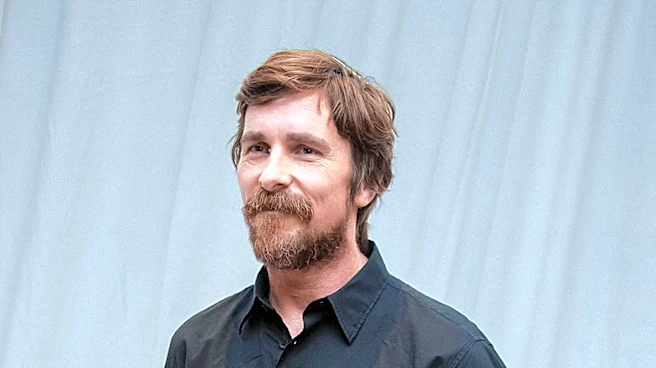
Actor Christian Bale has officially opened Together California, a $22 million foster care village in Palmdale, California, marking the culmination of a 17-year personal mission. The 12-home community, situated on a 4.67-acre parcel in Los Angeles County,
is specifically designed to keep sibling groups together within the foster care system. Bale's inspiration for the project stemmed from observing his daughter at age three and contemplating the stability many children lack, particularly those separated from siblings in foster care. The village includes 12 furnished townhomes, each capable of housing up to six children with professionally trained foster parents, and two studio units for young adults transitioning out of the system. A 7,000-square-foot community center provides shared spaces for therapy, tutoring, counseling, and recreational activities. Bale co-founded Together California with his wife, Sibi Blažić, and Dr. Eric Esrailian, a UCLA physician and producer. The project secured $1.7 million in public funding from the city of Palmdale and the Los Angeles County Board of Supervisors, with significant additional fundraising, including nearly $9 million from the Austrian American Council West.
Why It's Important?
This initiative addresses a critical issue within the U.S. foster care system: the frequent separation of siblings. Approximately 75% of siblings entering foster care are separated, which compounds the trauma children experience from losing their parents. By providing a dedicated community where siblings can remain together, Together California aims to mitigate this additional emotional distress and foster greater stability and hope for vulnerable children. The project serves as a significant philanthropic model, demonstrating how sustained commitment and substantial investment can create tangible, supportive environments for children in need. The involvement of a high-profile figure like Christian Bale also draws much-needed attention to the challenges within the foster care system, potentially inspiring further private and public sector engagement in similar initiatives across the nation. The village's comprehensive approach, including transitional housing for older teens, also supports long-term well-being and independence for foster youth.
What's Next?
With the official opening of Together California, the immediate next steps involve the placement of sibling groups into the 12 furnished townhomes and the commencement of programs within the 7,000-square-foot community center. The village will now focus on providing stability, support, and long-term care for its residents, aiming to reshape outcomes for children navigating the foster care system. The success of this model in keeping siblings together and fostering positive development will likely be closely monitored by child welfare organizations and policymakers. If successful, Together California could serve as a blueprint for similar foster care villages in other regions, potentially influencing future policy and funding decisions related to foster care reform. Continued fundraising and community engagement will also be crucial for sustaining the village's operations and expanding its services.
Beyond the Headlines
Beyond its immediate impact on the children housed within, Together California highlights broader ethical and societal responsibilities toward vulnerable youth. The project underscores the profound psychological impact of family separation, even within protective systems, and advocates for solutions that prioritize familial bonds. It also exemplifies a growing trend of celebrity philanthropy moving beyond simple donations to direct, long-term, and hands-on involvement in social causes. This deep commitment, spanning nearly two decades, challenges the perception of short-term charitable gestures and instead showcases sustained dedication as a powerful force for systemic change. The village's design, focusing on community and comprehensive support, also reflects evolving best practices in child welfare, moving beyond traditional institutional models to create more nurturing, family-like environments. This could inspire a re-evaluation of existing foster care infrastructure and encourage more holistic approaches to supporting children in state care.