





What's Happening?
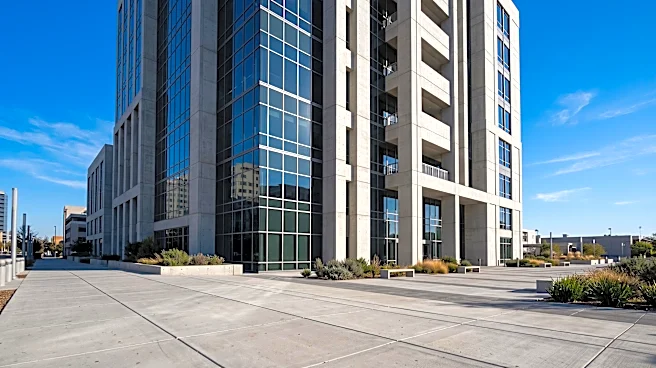
The Baton Rouge Police Department (BRPD) is set to move its Second District headquarters from Highland Road to 200 Third Street in downtown Baton Rouge. This relocation follows the Metro Council's approval of a 10-year sublease agreement. The BRPD will
occupy the first and second floors of the new building, with the lease costing $500,000 over the decade, in addition to operating costs. Police Chief Thomas Morse clarified that this move is primarily due to the department outgrowing its current facility, which he described as 'old,' rather than a direct response to recent downtown crime concerns. The first floor will serve as the new Second District headquarters, while the second floor is designated as a command post for downtown events such as parades, festivals, and 'Live After Five.' The Highland Road building will not be abandoned but is being considered for repurposing to house other divisions, potentially including a traffic office or motorcycle division. The sublease agreement also includes an option for a 10-year renewal at $5,250 per month.
Why It's Important?
This relocation signifies a strategic shift in the BRPD's operational infrastructure, aiming to enhance efficiency and presence in a growing urban core. By moving to a more modern and spacious facility, the department can better accommodate its expanding needs and improve working conditions for its officers. The establishment of a dedicated command post downtown is particularly important for public safety and event management, allowing for more immediate and coordinated responses during large gatherings. While Chief Morse stated the move is not a direct response to crime, an increased police presence, even if for logistical reasons, could indirectly contribute to a greater sense of security among downtown residents and businesses. The repurposing of the Highland Road facility also highlights a commitment to optimizing existing resources and ensuring that no departmental assets are left unused. This move could set a precedent for other urban police departments facing similar challenges of outdated facilities and the need for a stronger presence in central business districts.
What's Next?
The Baton Rouge Police Department plans to move as soon as possible, though the exact timeline is contingent on the planning and construction processes required for the new downtown facility. Chief Morse indicated that the department is currently in the early stages of planning renovations and working with architects. In the coming weeks, BRPD intends to meet with the Downtown Development District to discuss the new location and its implications for downtown residents and businesses. These discussions will likely focus on how the increased police presence will manifest and what benefits it will bring to the community. The department will continue to operate from its Highland Road location during the transition period. Future considerations include the specific repurposing of the Highland Road building for other BRPD divisions, which will involve further planning and resource allocation.
Beyond the Headlines
The relocation of the Second District headquarters, while framed as a logistical necessity due to an outdated facility, carries broader implications for urban development and community relations in Baton Rouge. The move places a significant police presence directly within the downtown area, which could foster a stronger sense of security and potentially influence perceptions of safety, regardless of crime statistics. This increased visibility might also lead to enhanced community engagement opportunities, as the BRPD plans to discuss its presence with the Downtown Development District. The decision to repurpose the old facility rather than abandon it reflects a pragmatic approach to public asset management, potentially saving taxpayer money and providing new operational capabilities for other police divisions. This strategic move could serve as a model for other cities grappling with the balance between modernizing public services and maintaining a visible, responsive law enforcement presence in evolving urban landscapes.