










What's Happening?
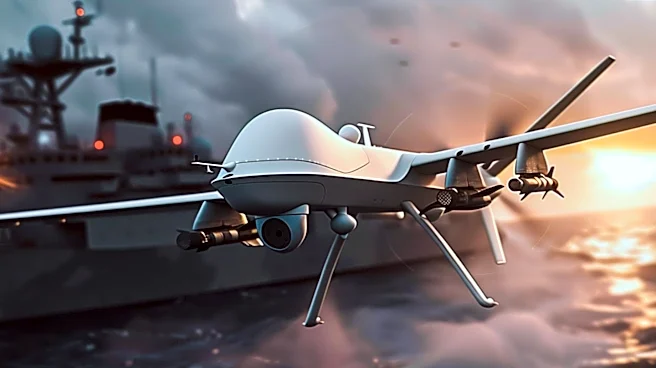
The United Kingdom has unveiled a new defense strategy centered on advanced technology, including self-flying fighter jets, uncrewed submarines, and drones. This plan, announced by Prime Minister Keir Starmer, aims to address the evolving nature of global
conflicts. The strategy has been delayed due to disagreements between military leaders and Treasury officials over funding. The plan proposes an increase in defense spending to 3.5% of GDP by 2035, aligning with NATO targets. However, it falls short of the 3% GDP spending by 2030, a target that former Defense Secretary John Healey advocated for before resigning. Healey cited rising threats, particularly from Russia, as a reason for increased spending. His successor, Defense Secretary Dan Jarvis, has worked to refine the plan, which now includes a £15 billion ($20 billion) budget, more than previously offered but less than the £28 billion ($37 billion) requested by defense officials.
Why It's Important?
The UK's defense plan is significant as it reflects a shift towards modern warfare technologies, such as drones, which have proven effective in recent conflicts like the Ukraine war. This strategic pivot is crucial for maintaining national security in a world where traditional military capabilities are being challenged by technological advancements. The plan also highlights the UK's commitment to meeting NATO's defense spending targets, which is vital for maintaining its role within the alliance. The budgetary constraints and political disagreements underscore the challenges of balancing fiscal responsibility with national security needs. The plan's success or failure could impact the UK's defense posture and its ability to respond to international threats, particularly from aggressive actors like Russia.
What's Next?
The UK government will need to navigate political and financial challenges to implement this defense strategy effectively. The upcoming NATO summit in Turkey will be a critical platform for the UK to reaffirm its commitments and potentially negotiate further support from allies. The new Prime Minister, likely Andy Burnham, will face pressure to adhere to the defense plan's commitments. The plan's execution will require careful management of resources and continued investment in cutting-edge military technologies. The UK will also need to monitor global security developments and adjust its strategy accordingly to ensure it remains responsive to emerging threats.