

What's Happening?
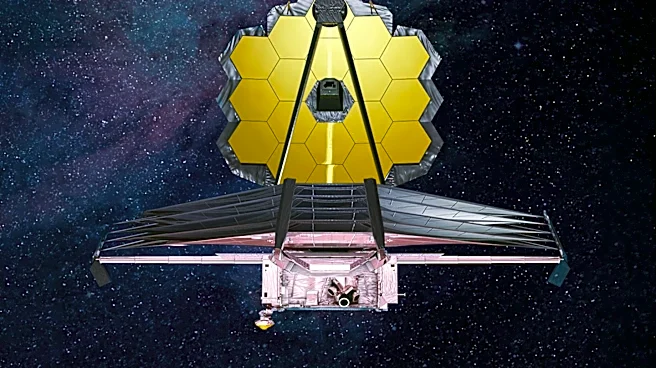
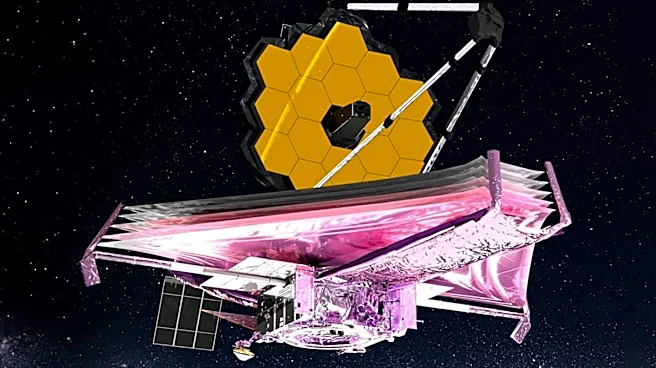
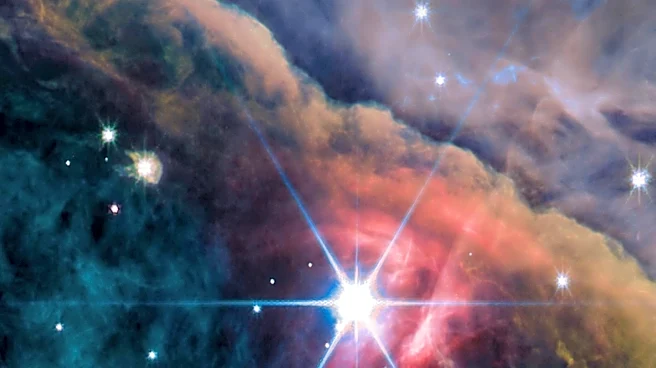
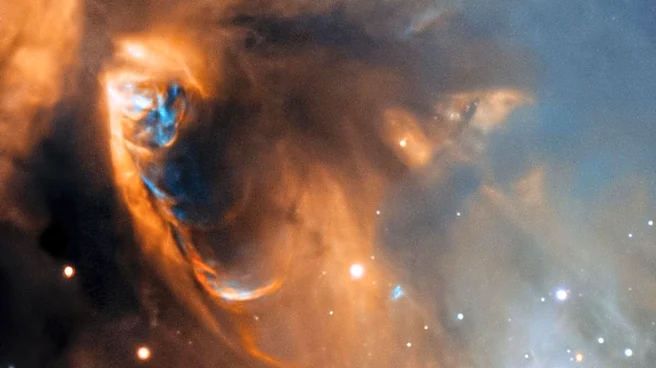
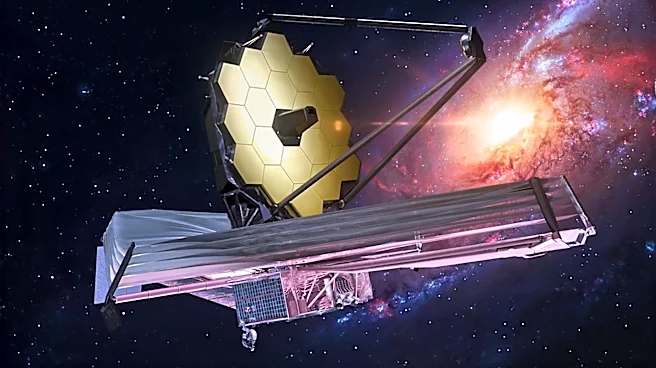
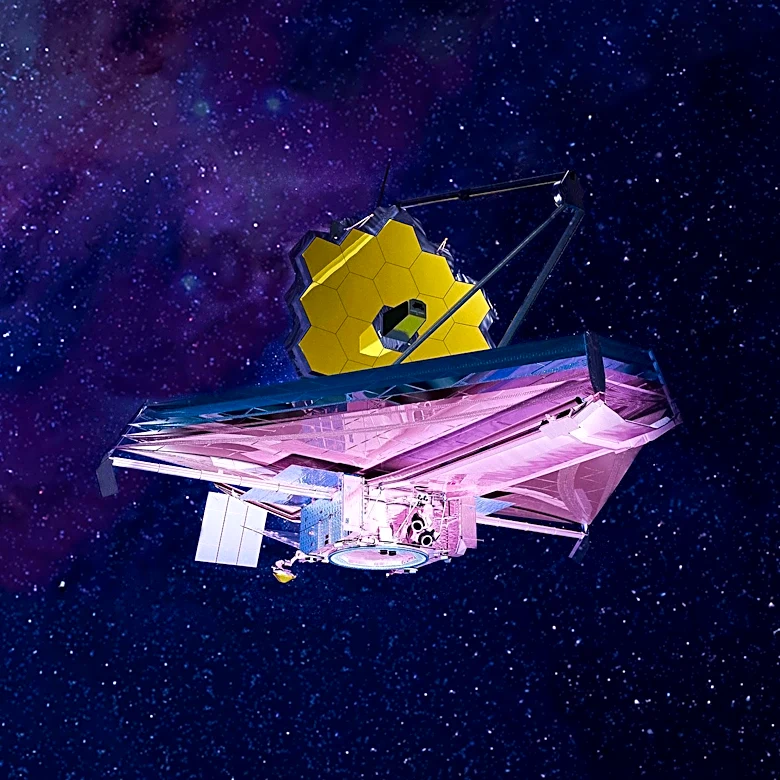
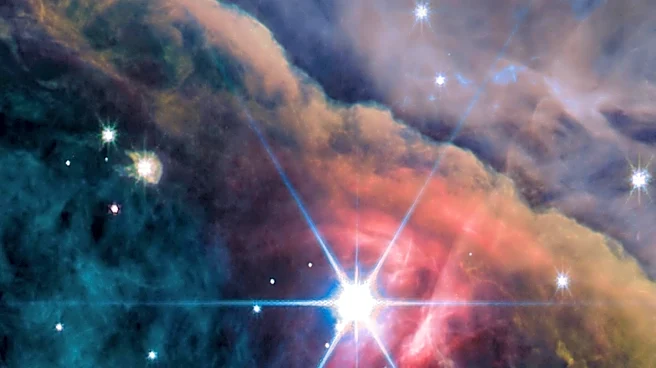
The James Webb Space Telescope has provided detailed observations of the evolved star IRS 3, located near the Milky Way's central supermassive black hole, Sagittarius A*. Despite the intense radiation environment, IRS 3 continues to produce dust and water,
crucial for star and planet formation. The star is in the asymptotic giant branch phase, shedding gas into space. The Webb telescope's Mid-Infrared Instrument detected oxygen-rich dust and water in the star's envelope, indicating that stars can still contribute material to their surroundings even in extreme conditions.
Why It's Important?
This discovery is significant as it challenges previous assumptions about the hostile environments near supermassive black holes. The ability of stars like IRS 3 to produce dust and water in such conditions suggests that galactic centers may play a more active role in star and planet formation than previously thought. This could impact theories on galaxy evolution and the lifecycle of stars, providing new insights into the processes that govern the universe.
What's Next?
Further studies using the James Webb Telescope and other instruments will continue to explore the environments around supermassive black holes. These observations could lead to a better understanding of the role of evolved stars in galactic centers and their contribution to cosmic dust production. The findings may also influence future research on the formation of stars and planets in extreme environments.
Beyond the Headlines
The detection of water near a supermassive black hole raises questions about the potential for life in extreme environments. It also highlights the resilience of molecular material in the face of intense radiation, suggesting that life-sustaining elements could exist in more places than previously imagined.