









What's Happening?
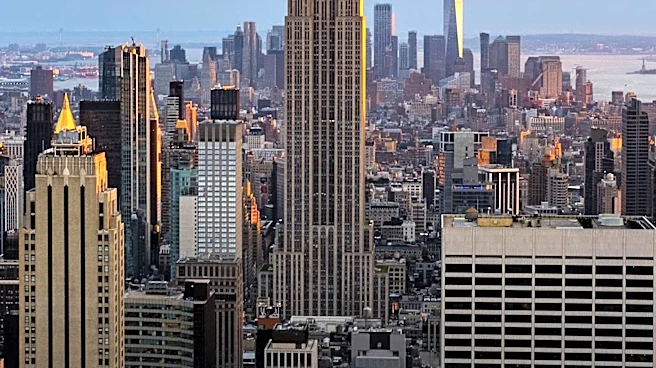
New York City's housing crisis has escalated to what is being described as 'DefCon 1', with average rents for a one-bedroom apartment in Manhattan reaching an all-time high of $5,408 per month as of June 2026. This situation persists despite a recent
rent freeze on nearly one million rent-stabilized apartments, approved by Mayor Zohran Mamdani. The vacancy rate for these rent-stabilized units stands at 5.6%, with 57,000 apartments sitting empty due to owners being unable to afford necessary renovations. New York City Comptroller Mark Levine has called for urgent action, suggesting updates to zoning laws, increased investment in affordable housing, and reducing bureaucratic hurdles to construction. Critics argue that the expenses associated with maintaining rent-stabilized properties are not matched by the income they generate, exacerbating the crisis.
Why It's Important?
The escalating housing crisis in New York City highlights significant challenges in urban affordability and housing policy. The record-high rents in Manhattan and Brooklyn underscore the growing disparity between income levels and housing costs, which could lead to increased displacement of lower-income residents. The situation also reflects broader economic pressures, such as the cost of living and the impact of regulatory measures like rent freezes. The inability of property owners to renovate and maintain rent-stabilized units due to financial constraints further complicates the housing supply issue. This crisis could influence public policy debates on housing affordability and urban planning, potentially affecting future legislative and regulatory approaches to housing in major U.S. cities.
What's Next?
In response to the crisis, there may be increased pressure on city officials and policymakers to implement comprehensive housing reforms. Potential measures could include revising zoning laws to facilitate more affordable housing development, streamlining construction processes, and providing financial incentives for property owners to renovate and reintroduce vacant units to the market. The ongoing debate may also prompt discussions at the state and federal levels regarding funding and support for urban housing initiatives. Stakeholders, including tenant advocacy groups, property owners, and city planners, are likely to engage in negotiations to find sustainable solutions to the housing affordability crisis.