






What's Happening?
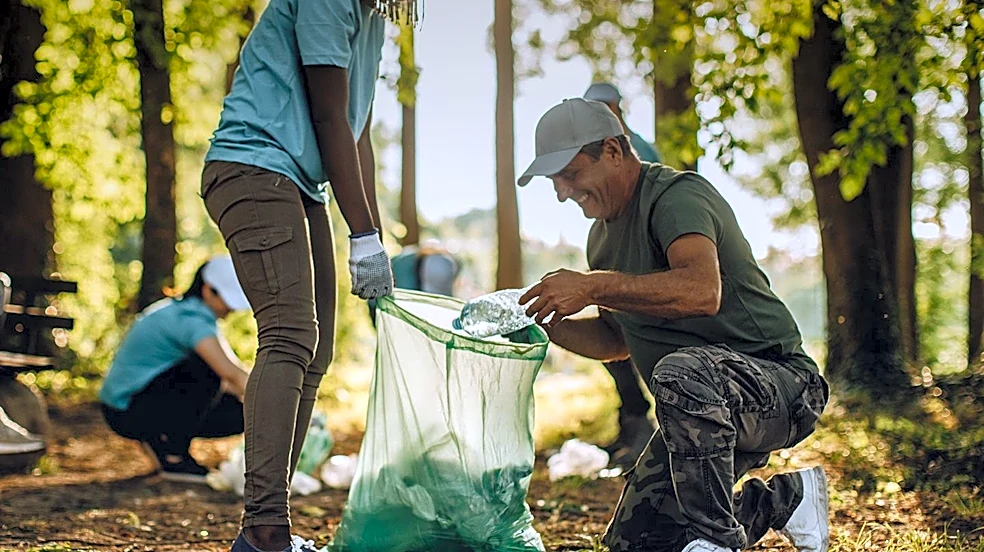
The Seberang Perai City Council (MBSP) in Malaysia has launched a series of community-based initiatives focused on repair, reuse, and circular economy principles. This development follows a study visit to Bologna, Italy, organized under the International
Urban and Regional Cooperation (IURC) program. MBSP's Local Agenda 21 (LA21) Environmental Sustainability initiative is spearheading these efforts, which include monthly Pop-Up Repair Hubs across the city to encourage residents to repair household items. Additionally, MBSP is collaborating with the Malaysia Plastic Manufacturers Association (MPMA), Penang, to repurpose discarded plastics into new products like keychains and souvenirs. The council is also promoting the creative reuse of textiles, transforming unwanted clothing into items such as patchwork blankets and bags.
Why It's Important?
These initiatives are important as they demonstrate how international cooperation can translate into practical, local solutions for environmental sustainability. By fostering a culture of repair and reuse, MBSP aims to extend product lifespans, reduce waste, and promote sustainable consumption practices within the community. The collaboration with industry stakeholders, such as the Malaysia Plastic Manufacturers Association, highlights the potential for turning plastic waste into valuable resources, thereby creating economic opportunities within the circular economy. This approach not only addresses waste management challenges but also educates the public on the benefits of recycling and resource recovery, contributing to a more sustainable urban environment.
What's Next?
MBSP plans to strengthen community participation and strategic partnerships to further develop its circular economy initiatives. The ongoing success of these programs, inspired by the Bologna study visit, is expected to generate more concrete local actions aimed at sustainable urban development. The council will likely continue to expand its Pop-Up Repair Hubs and explore additional avenues for upcycling various waste materials. Future efforts will focus on solidifying the shift from a disposal-oriented culture to one that prioritizes repair, reuse, and resource recovery, with the goal of achieving broader circular economy transitions within Seberang Perai.
Beyond the Headlines
The initiatives in Seberang Perai underscore a global trend towards localized circular economy models, driven by international knowledge exchange. This approach has deeper implications for urban planning and community engagement, suggesting that sustainable practices can be effectively integrated into daily life through accessible and participatory programs. Ethically, it promotes responsible consumption and production, shifting societal values away from disposability. Culturally, it fosters a sense of collective responsibility for environmental stewardship. The success of such programs could serve as a blueprint for other cities facing similar sustainability challenges, demonstrating the power of adapting international best practices to local contexts for significant environmental and social impact.