





What's Happening?
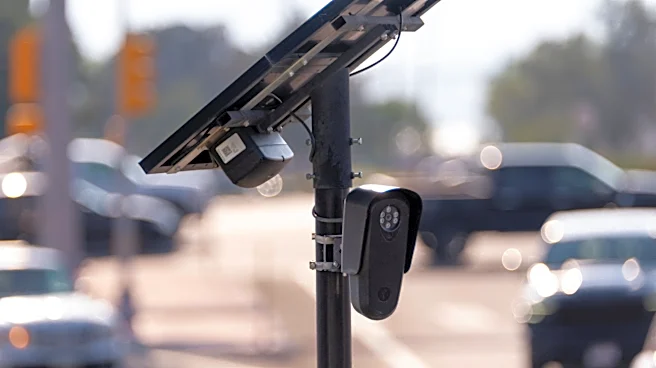
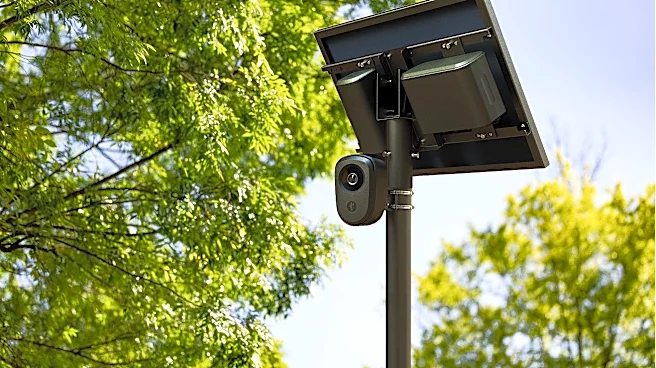
Menasha police officer Cristian Morales, 32, has been sentenced to six months in jail followed by three years of probation after pleading no contest to misusing Flock license plate reader cameras. Morales conducted seven off-duty searches using Flock's
nationwide network of cameras, accessing between 15,234 and 92,702 individual cameras. The AI-powered cameras continuously photograph vehicles and license plates, cataloging them in a searchable database for law enforcement. Morales used the system to track a vehicle belonging to his ex-girlfriend, who subsequently reported her suspicions to the Appleton Police Department, initiating an investigation. When confronted, Morales attributed his actions to 'desperation, and bad judgment, combined with a lack of sleep.' The victim described a 'pattern' of controlling and violent behavior by Morales, stating she continues to suffer from anxiety. Judge Mark Schroeder characterized Morales as an 'oathbreaker' who abused his authority for personal and nefarious purposes.
Why It's Important?
This sentencing highlights growing concerns across Wisconsin and the U.S. regarding the misuse of surveillance technologies by law enforcement and the balance between public safety and individual privacy. The case of Officer Morales, along with others involving Milwaukee officer Josue Ayala and Kenosha County Deputy Frank McGrath, underscores a pattern of officers using these powerful tools for personal reasons, often targeting individuals with whom they have personal relationships. This raises critical questions about accountability, oversight, and the potential for abuse inherent in widespread surveillance systems like Flock. The inconsistent penalties for such misuse, ranging from probation to jail time, further complicate the issue, suggesting a lack of clear, uniform guidelines for addressing these violations. The public's trust in law enforcement is eroded when such abuses occur, leading to increased scrutiny and calls for greater transparency and control over police surveillance technologies.
What's Next?
The ongoing debate surrounding Flock cameras is expected to intensify, with more communities likely to re-evaluate or cancel their contracts. Several areas in Wisconsin, including Kaukauna, Sturgeon Bay, Verona, Appleton, Oshkosh, and Dane County, have already terminated their agreements due to concerns about privacy, potential federal agency access, and officer misuse. Flock Safety has responded by developing new tools to enhance auditing and restrict vague searches, but community groups like Deflock continue to advocate for greater accountability. The legal system will continue to process cases of alleged misuse, potentially setting precedents for future actions. Additionally, the push for ordinances like Community Control Over Police Surveillance (CCOPS) is likely to gain momentum, aiming to provide frameworks for public input and oversight before police departments acquire or renew surveillance technology contracts. This will force local officials to engage more directly with residents' concerns about privacy and the scope of police surveillance.
Beyond the Headlines
The misuse of Flock cameras by law enforcement officers like Cristian Morales reveals deeper ethical and societal implications beyond individual misconduct. It exposes vulnerabilities in the implementation and oversight of advanced surveillance technologies, where tools designed for public safety can be repurposed for personal vendettas, leading to significant psychological distress for victims. The 'sole source no-bid contracts' often used to acquire these systems bypass public procurement processes, limiting transparency and public input, which further exacerbates distrust. The shift from one 'for-profit Big Brother' to another, as noted by Amanda Merkwae of the ACLU of Wisconsin, suggests a systemic issue where commercial interests drive the expansion of surveillance without adequate public discourse or safeguards. This trend could lead to a 'new frontier' in data aggregation and integration, challenging traditional notions of privacy and civil liberties in an increasingly surveilled society. The long-term impact could be a redefinition of the relationship between citizens and the state, where constant monitoring becomes normalized without robust democratic checks and balances.