




What's Happening?
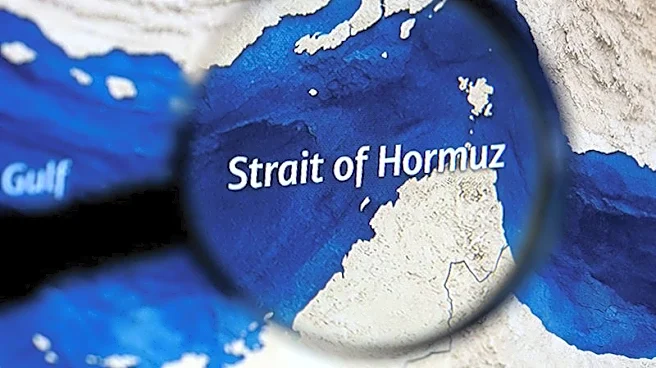
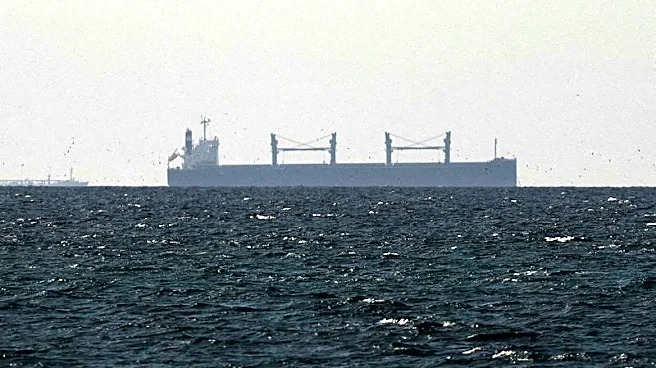
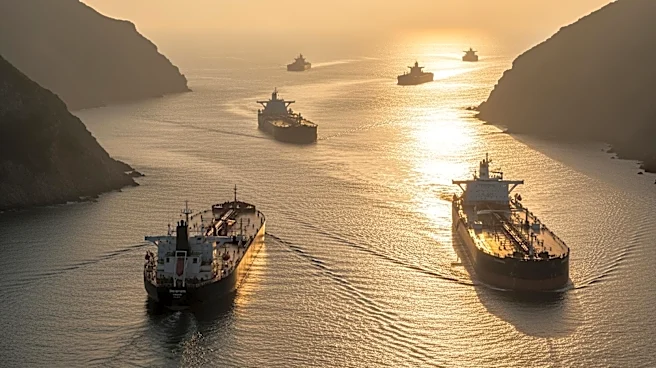
The UN Food and Agriculture Organization (FAO) has issued a warning about the potential for a global agri-food crisis due to prolonged disruption in the Strait of Hormuz. This critical shipping route is essential for transporting farm inputs, and its
blockage could lead to significant declines in crop yields and surges in food inflation. The FAO reports that 20% to 45% of key agri-food exports rely on this passage. The disruption is exacerbated by rising oil prices and the ongoing conflict between the U.S. and Iran, which has already impacted global food commodity prices. The FAO emphasizes the need for quick resumption of transit to prevent a catastrophe in food supply chains.
Why It's Important?
The Strait of Hormuz is a vital artery for global trade, particularly for agricultural inputs like fertilizers. Its disruption could have far-reaching consequences, including increased food prices and inflation, reminiscent of the post-COVID-19 economic fallout. The potential decline in crop yields could lead to food shortages and increased food insecurity, especially in low-income countries dependent on imports. The situation highlights the interconnectedness of global trade and the vulnerability of food supply chains to geopolitical tensions. It underscores the importance of maintaining open trade routes and the need for international cooperation to mitigate such risks.
What's Next?
The FAO urges governments to avoid export restrictions on energy and fertilizers and to reassess biofuel mandates to stabilize food supply chains. Multilateral financing may be necessary to support countries at risk of losing access to essential agricultural inputs. The FAO, along with the IMF and World Bank, is monitoring the situation and may implement measures to alleviate the impact on food security. The temporary ceasefire between the U.S. and Iran offers a window for diplomatic efforts to ensure the reopening of the Strait and prevent further escalation.