





What's Happening?
House Democrats have launched an investigation into the mining company Energy Fuels following allegations of insider trading. The inquiry focuses on the company's CEO, Ross Bhappu, and chairman, Bruce Hansen, who reportedly purchased thousands of company shares
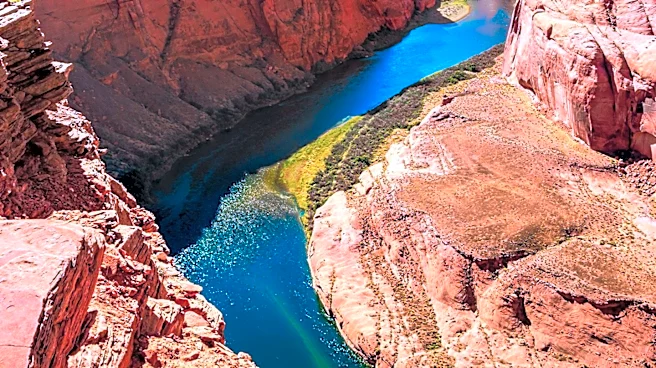
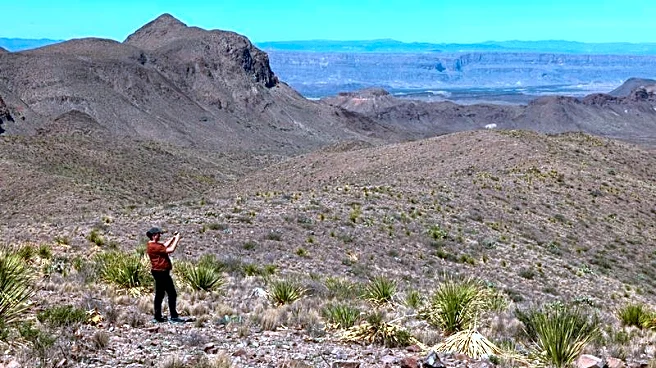
just days before President Trump significantly reduced the size of the Bears Ears National Monument in southeastern Utah. Energy Fuels operates the White Mesa Mill, the last conventional uranium processing site in the U.S., which was located near the monument's boundary. President Trump's decision to slash the monument by 90 percent effectively made the land available for mining. On July 7, 2026, CEO Ross Bhappu made the largest insider purchase in the company's history, acquiring 74,000 shares, increasing his ownership to 41 percent. Chairman Bruce Hansen bought 4,000 shares the following day. Less than a week later, 1.24 million acres were removed from Bears Ears National Monument. The company has stated it is unaware of any wrongdoing and rejects claims of improper conduct, asserting that the White Mesa Mill was never within the monument and they did not actively advocate for boundary changes with the administration.
Why It's Important?
This investigation highlights critical concerns regarding corporate ethics, environmental policy, and the integrity of financial markets. The timing of the stock purchases by Energy Fuels executives, immediately preceding a presidential decision that could directly benefit the company's mining interests, raises questions about potential abuse of privileged information. This situation underscores the ongoing tension between economic development, particularly in critical mineral extraction, and environmental protection, especially concerning lands with cultural significance to Indigenous communities. The Bears Ears National Monument, established to protect a culturally rich landscape, saw its protections significantly weakened, potentially opening it up to industrial activities. The outcome of this investigation could influence future regulations on insider trading, corporate lobbying, and the process by which public lands are designated and protected, impacting both the mining industry and environmental conservation efforts in the U.S.
What's Next?
Congressional Democrats, led by Representative Jared Huffman and Representative Maxine Dexter, are demanding communications between Energy Fuels executives and federal officials, as well as the company's lobbying contracts. The company has indicated it will cooperate with the investigation. The probe will likely seek to determine if there was any direct communication or influence from Energy Fuels on the Trump administration's decision to reduce the monument's size, and whether the executives' stock purchases were made with foreknowledge of this decision. Depending on the findings, the investigation could lead to legal actions against the executives for insider trading, new legislative proposals to strengthen protections against such activities, or increased scrutiny of corporate influence on environmental policy. The broader implications could also include renewed calls for the protection of national monuments and a re-evaluation of the balance between resource extraction and conservation on federal lands.
Beyond the Headlines
Beyond the immediate allegations of insider trading, this case touches upon deeper issues of corporate responsibility, environmental justice, and the political influence of industry. The reduction of Bears Ears National Monument has been a contentious issue, particularly for the coalition of five Tribal Nations who view the area as a sacred ancestral homeland. Accusations against Energy Fuels regarding the secret transportation of radioactive material and potential risks to water quality and public health near the White Mesa Mill further complicate the narrative, raising ethical questions about the company's operational practices and its impact on surrounding communities. This investigation could serve as a precedent for examining the ethical dimensions of corporate actions that intersect with public land management and Indigenous rights, potentially leading to a re-evaluation of how corporate interests are balanced against broader societal and environmental concerns in U.S. policy-making.