




What's Happening?
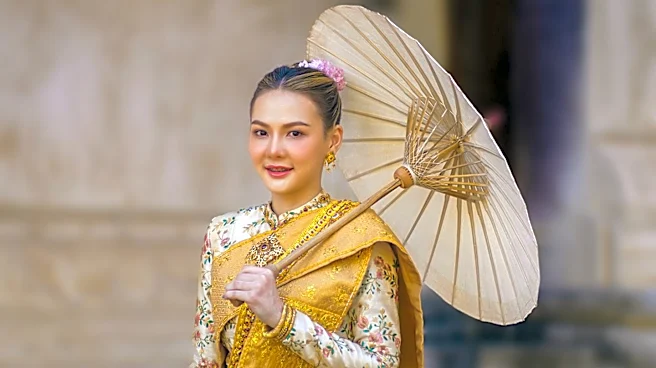
Chiang Mai, Thailand, is a prominent city located in the northern highlands, recognized for its rich cultural heritage and as a significant tourist destination. The city is characterized by its ancient temples, bustling night markets, and a strong tradition
in arts. It serves as a primary gateway to Doi Inthanon National Park, offering a variety of activities for visitors. These activities include traditional Thai cooking classes, meditation sessions with Buddhist monks, and visits to elephant sanctuaries. The historical depth of Chiang Mai is evident through its well-preserved temples and numerous cultural landmarks, which contribute to its appeal for travelers seeking both adventure and cultural immersion. The city's unique blend of Lanna and Burmese influences, alongside a growing creative scene driven by digital nomads, further enhances its vibrant atmosphere.
Why It's Important?
Chiang Mai's role as a cultural and tourist hub is vital for Thailand's tourism industry and local economy. Its ability to attract a diverse range of travelers, from those interested in spiritual harmony and traditional medicine to adventure seekers, contributes significantly to regional revenue. The preservation of ancient temples and cultural landmarks helps maintain Thailand's historical identity and offers educational opportunities for visitors. The presence of traditional arts and crafts, alongside modern creative scenes, fosters economic growth through tourism-related businesses, including hospitality, food services, and local artisan markets. Furthermore, the city's focus on activities like meditation and elephant sanctuaries highlights a commitment to cultural and environmental preservation, which can influence sustainable tourism practices globally and attract a conscious traveler demographic.
What's Next?
Chiang Mai is expected to continue its development as a leading tourist destination, with ongoing efforts to balance modernization with the preservation of its cultural and natural heritage. Future initiatives may focus on enhancing sustainable tourism practices, particularly in areas like elephant sanctuaries and national parks, to ensure long-term ecological and cultural integrity. The city's growing appeal to digital nomads suggests a potential for further development in co-working spaces and tech-friendly infrastructure, which could attract more international residents and businesses. Additionally, the promotion of its unique Lanna and Burmese cultural influences, through festivals, art exhibitions, and culinary experiences, will likely remain a key strategy to attract tourists and maintain its distinct identity in the global tourism market.
Beyond the Headlines
Beyond its immediate economic impact, Chiang Mai's cultural significance extends to its role as a center for spiritual and traditional practices. The city's emphasis on meditation with Buddhist monks and traditional medicine reflects a deeper cultural value placed on well-being and mindfulness. This aspect offers a counter-narrative to fast-paced modern life, attracting individuals seeking spiritual enrichment and alternative healing methods. The blend of ancient traditions with a burgeoning creative scene also highlights a dynamic cultural evolution, where historical roots inform contemporary expressions. This cultural fusion can inspire cross-cultural dialogue and understanding, positioning Chiang Mai not just as a tourist spot, but as a living laboratory for cultural exchange and sustainable development.