



What's Happening?
NASA has outlined several skywatching events for May 2026, including the Eta Aquarid meteor shower, a conjunction of the Moon and Venus, and a rare Blue Moon. The Eta Aquarid meteor shower, peaking on May 5th and 6th, originates from Halley's Comet and can
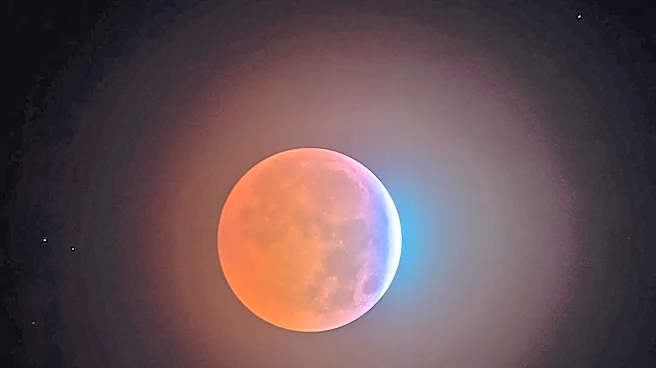
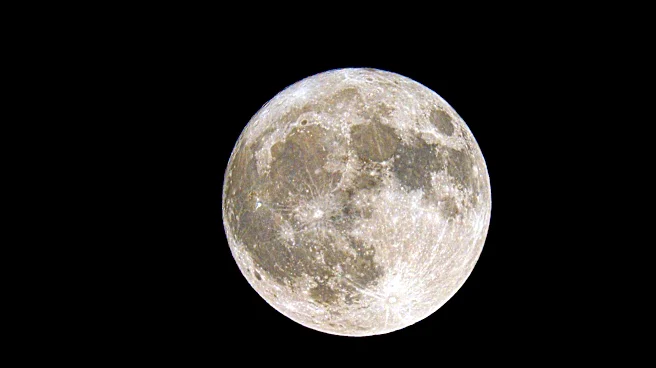
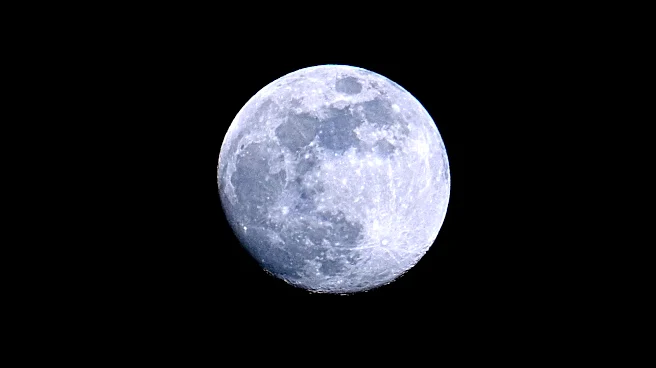
produce up to 50 meteors per hour under ideal conditions. The Moon and Venus will appear close together in the sky on May 18th, offering a striking visual for observers. The month will conclude with a Blue Moon on May 31st, which is the second full moon in a single calendar month. Despite its name, the Blue Moon will not appear blue.
Why It's Important?
These celestial events provide opportunities for public engagement with astronomy and space science, fostering interest in NASA's ongoing missions and the broader field of space exploration. The visibility of the Eta Aquarid meteor shower and the conjunction of the Moon and Venus can inspire educational activities and community events, promoting scientific literacy. The Blue Moon, a relatively rare occurrence, adds to the intrigue and excitement surrounding these skywatching opportunities, potentially increasing public interest in astronomical phenomena.
What's Next?
Skywatchers and astronomy enthusiasts are encouraged to prepare for these events by finding locations with minimal light pollution and allowing their eyes to adjust to the dark. NASA continues to promote awareness of these events through its educational outreach programs, aiming to engage a wider audience in the wonders of the night sky. Future skywatching events will be similarly highlighted to maintain public interest and support for space exploration initiatives.