




What's Happening?
Two recent studies have raised concerns about the weakening of the Atlantic Meridional Overturning Circulation (AMOC), a crucial ocean current system that influences global climate patterns. The studies indicate that the AMOC has been weakening over the past
two decades and could slow by more than 50% by the end of the century. This weakening is attributed to human-caused climate change, which affects water density and circulation patterns. A collapse of the AMOC could lead to significant climate disruptions, including cooler temperatures in the North Atlantic, increased winter storms in Europe, and changes in rainfall patterns in Africa and Asia.
Why It's Important?
The AMOC plays a vital role in regulating climate and weather patterns across the Northern Hemisphere. Its weakening could have far-reaching impacts on global climate systems, affecting agriculture, sea levels, and weather events. The potential collapse of the AMOC underscores the urgent need for climate action to mitigate greenhouse gas emissions and prevent further destabilization of critical environmental systems. The findings also highlight the importance of continued research and monitoring to better understand and predict the impacts of climate change on ocean currents and global weather patterns.
What's Next?
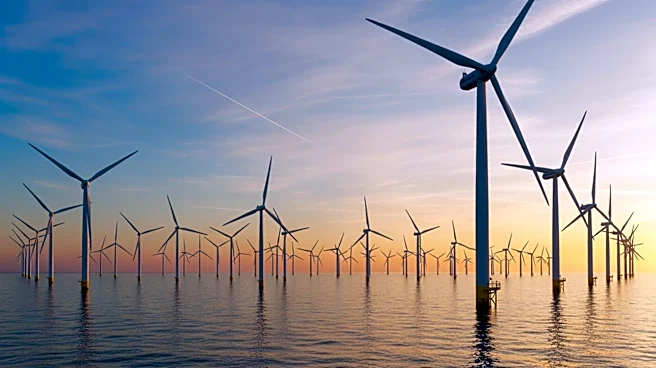
Scientists and policymakers will need to prioritize efforts to reduce carbon emissions and transition to renewable energy sources to mitigate the impacts of climate change on the AMOC. Continued monitoring and research are essential to track changes in the ocean current and assess potential tipping points. International cooperation will be crucial in addressing the global implications of a weakened AMOC, as countries work together to develop strategies for climate adaptation and resilience. Public awareness and education on the importance of ocean currents in climate regulation may also play a role in driving policy changes and encouraging sustainable practices.