
What's Happening?
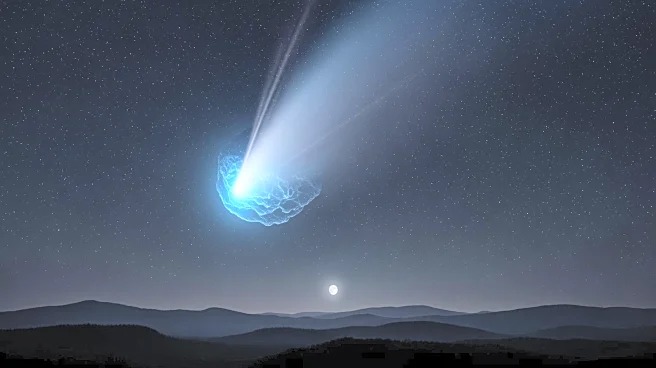
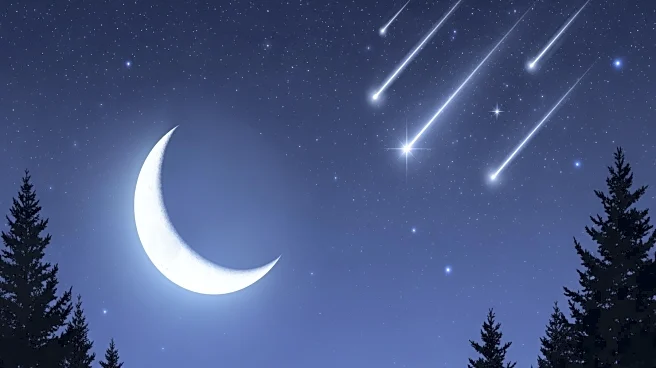
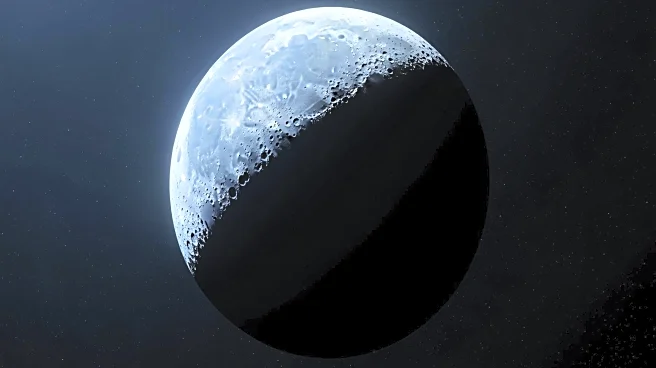
The Ursid meteor shower is set to peak on the early morning of December 22, offering ideal viewing conditions due to the new moon on December 20 and the extended darkness around the winter solstice. This meteor shower originates from debris left by comet
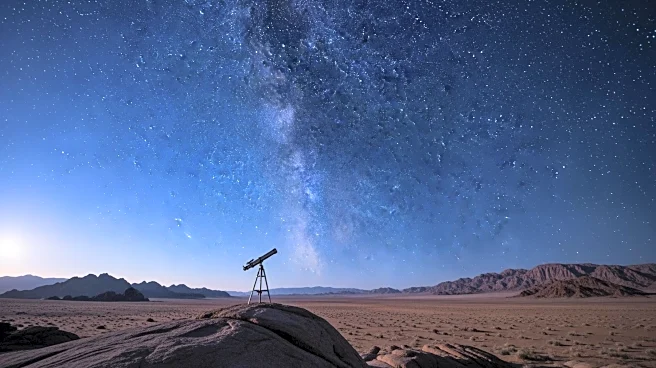
8P/Tuttle, typically producing about 10 meteors per hour as Earth passes through its dust trail. The meteors will be visible to the naked eye starting the evening of December 21 through dawn, with the radiant highest before sunrise. For the best viewing experience, it is recommended to find a dark location away from light pollution and to scan the entire sky rather than focusing solely on the Little Dipper, from which the meteors appear to originate.
Why It's Important?
Meteor showers like the Ursids provide a unique opportunity for stargazers and the general public to engage with astronomy and the natural world. The event encourages people to spend time outdoors and can foster interest in space science and education. Additionally, such celestial events can boost local tourism in areas known for clear skies and minimal light pollution, as enthusiasts travel to optimal viewing locations. The Ursid meteor shower, occurring close to the winter solstice, also highlights the natural cycles and phenomena that continue to captivate human curiosity and inspire scientific inquiry.