






What's Happening?
From 1876 to 1878, a severe El Niño event triggered a global famine that led to the deaths of 30 to 60 million people worldwide, representing approximately 3% of the global population. This catastrophe, described by researchers as potentially the worst
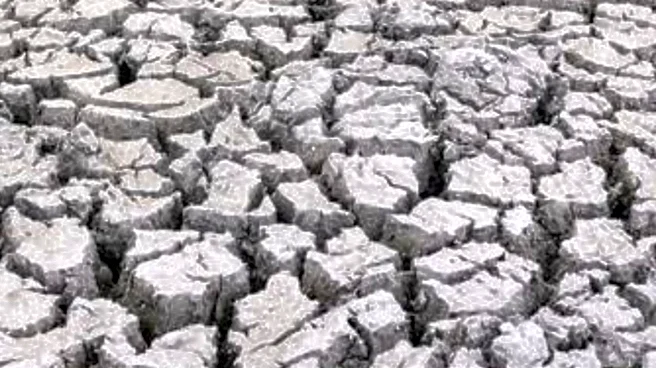
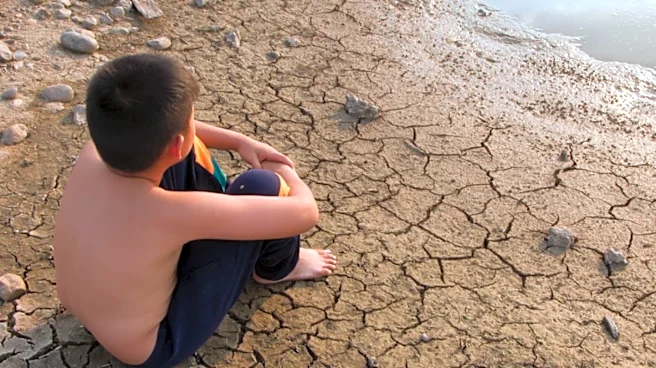
environmental disaster in human history, caused widespread food shortages across various regions including India, China, and Brazil. In India, consecutive monsoon failures in 1875-1876 led to crop devastation and millions of deaths. North Central China experienced its most severe drought in 300 years, while Brazil suffered from the 'Grande Seca,' characterized by record high temperatures and no rain. Scientists now understand that this global disaster was caused by one of the strongest El Niño events ever recorded, a climate pattern driven by equatorial Pacific temperatures that often brings warm and dry conditions to affected areas.
Why It's Important?
This historical event underscores the profound and devastating impact that extreme climate phenomena, such as El Niño, can have on global populations and food security. The famine contributed significantly to global inequality, creating a stark division between what later became known as the 'First World' and 'Third World.' Understanding the factors that drive such severe droughts is crucial for contemporary disaster preparedness and mitigation efforts. The research into this period highlights the vulnerability of large populations to climate variability and the potential for widespread humanitarian crises when agricultural systems fail. It also emphasizes the importance of scientific understanding and international cooperation in predicting and responding to natural disasters to prevent similar future tragedies.
What's Next?
While the immediate aftermath of the 1876-1878 famine is long past, the lessons learned continue to inform modern approaches to climate science and disaster management. Today, advancements in scientific understanding of El Niño and other climate patterns enable better prediction and proactive measures to mitigate potential damage. International cooperation and coordinated efforts among governments and United Nations agencies are now in place for disaster prediction, rescue, and relief. Ongoing research into historical climate events helps scientists refine models and improve early warning systems, aiming to minimize the impact of future climate-related disasters and prevent a recurrence of such widespread famine.
Beyond the Headlines
The Great Famine of 1876-1878 reveals deeper implications beyond immediate mortality figures. It exposed critical vulnerabilities in global food systems and governance structures of the time, contributing to long-term socio-economic disparities. The event also highlights the evolving understanding of climate science; at the time, leading thinkers attributed weather changes to sunspots, whereas modern science identifies super El Niño events as the cause. This historical context underscores the continuous need for scientific inquiry and adaptation in the face of environmental challenges. The famine serves as a stark reminder of the interconnectedness of climate, environment, politics, and society, influencing discussions on climate justice and the responsibility of developed nations towards vulnerable populations in the face of climate change.