




What's Happening?
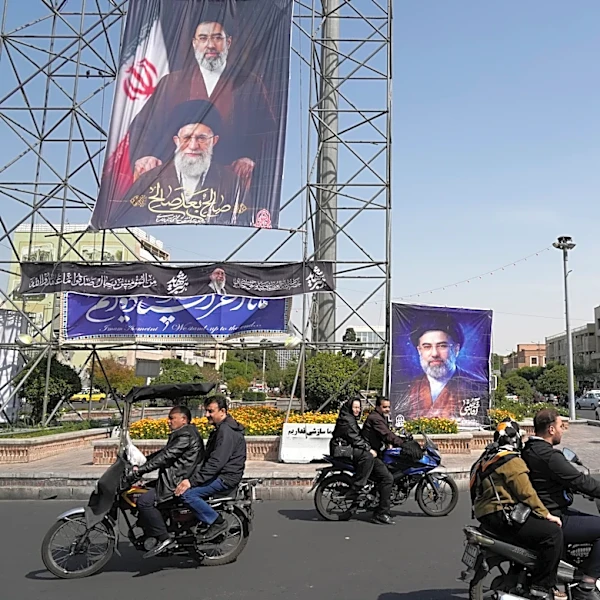
A senior Iranian source announced that a ceasefire in southern Lebanon would commence overnight for a week, a claim that was promptly denied by an Israeli official. The Iranian source, speaking to Lebanon's Al-Mayadeen network, suggested that the truce
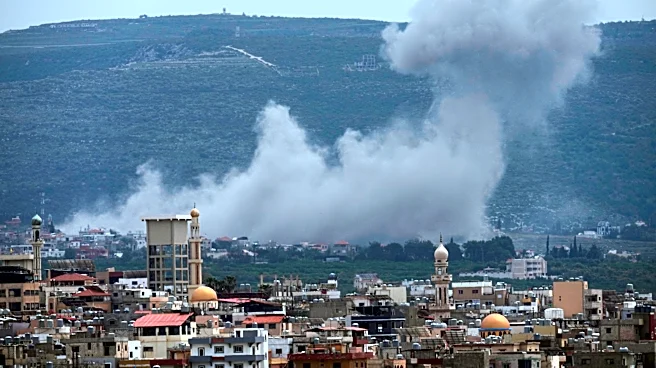
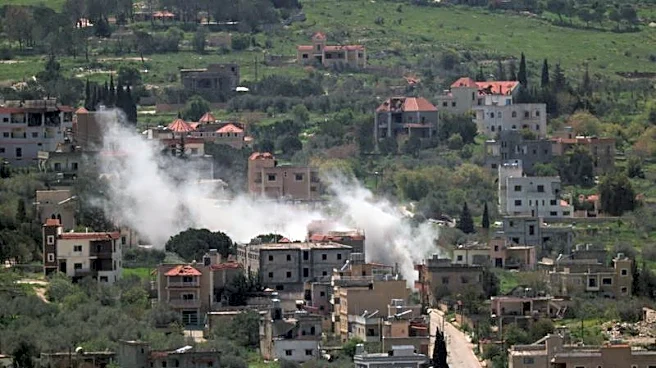
was achieved under pressure from Tehran. Despite the denial, Israeli officials acknowledged ongoing talks and U.S. efforts to secure a ceasefire or temporary pause in hostilities. The Israel Defense Forces (IDF) continue operations in southern Lebanon, particularly around Bint Jbeil, where they are engaged with Hezbollah forces. The Israeli security cabinet is set to meet to discuss the continuation of military actions. Meanwhile, diplomatic efforts are intensifying, with a senior Pakistani delegation arriving in Tehran to discuss renewing negotiations.
Why It's Important?
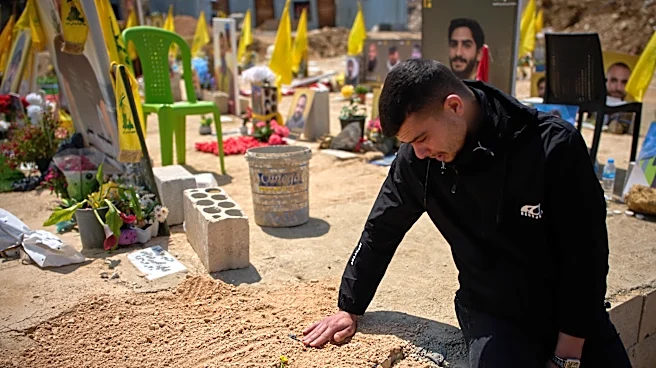
The potential ceasefire in Lebanon is significant as it could lead to a broader framework involving Iran, Israel, and the United States, potentially stabilizing the region. The U.S. is actively pushing for a resolution to avoid a prolonged conflict, which could have severe humanitarian and geopolitical consequences. The ongoing conflict has already strained relations and increased tensions in the Middle East. A successful ceasefire could pave the way for more comprehensive peace talks and reduce the risk of further escalation. However, the situation remains fragile, with Hezbollah continuing its attacks and Israel maintaining military operations.
What's Next?
If a ceasefire is announced, it could lead to an extension of diplomatic efforts involving Iran, Israel, and the U.S. The Israeli security cabinet's upcoming meeting will be crucial in determining the next steps. The international community, particularly the U.S., is likely to continue exerting pressure on all parties to reach a sustainable peace agreement. The outcome of these diplomatic efforts could significantly impact regional stability and influence future U.S. foreign policy in the Middle East.