

What's Happening?
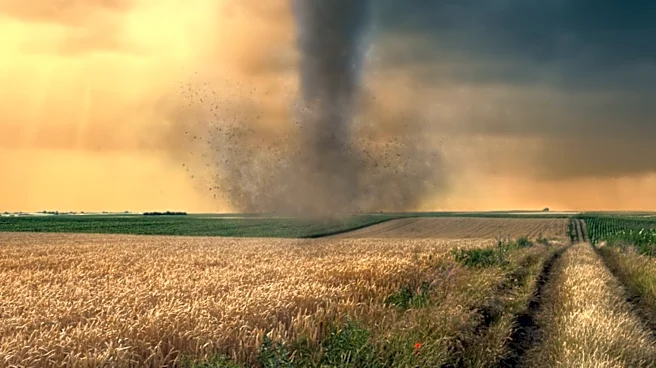
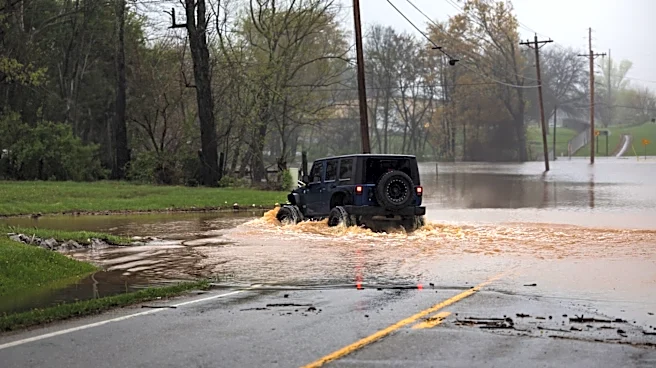
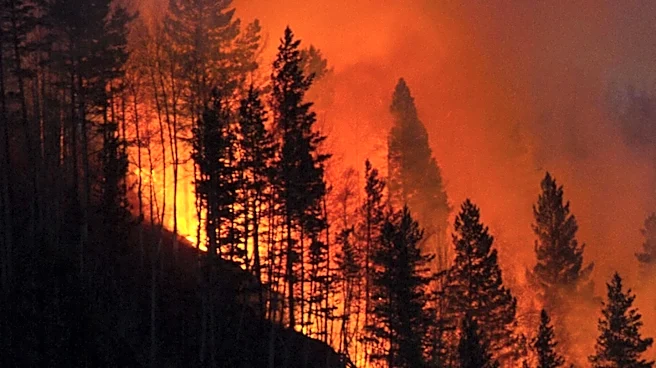
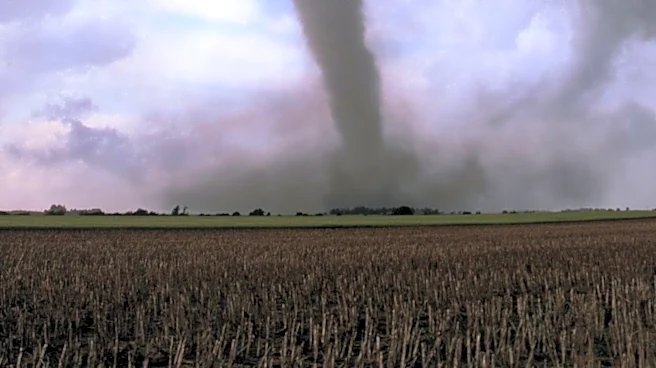
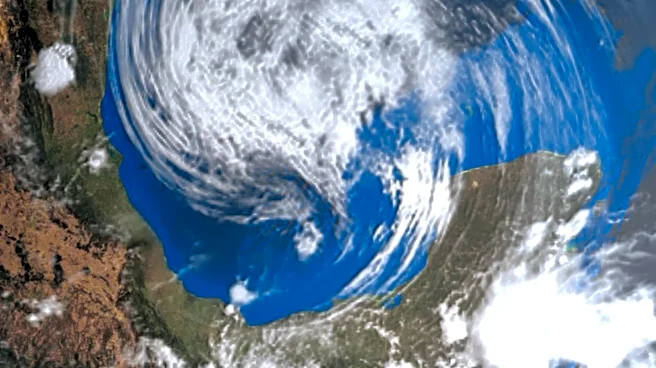
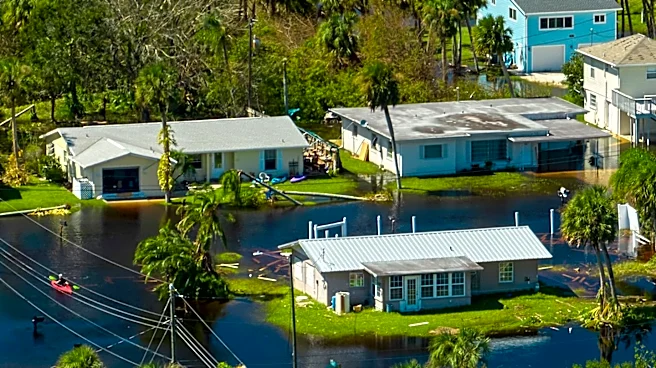
Millions of people across the United States are on high alert for severe weather conditions as Europe battles out-of-control wildfires. The severe weather warnings in the U.S. are part of a broader pattern of extreme weather events affecting various parts
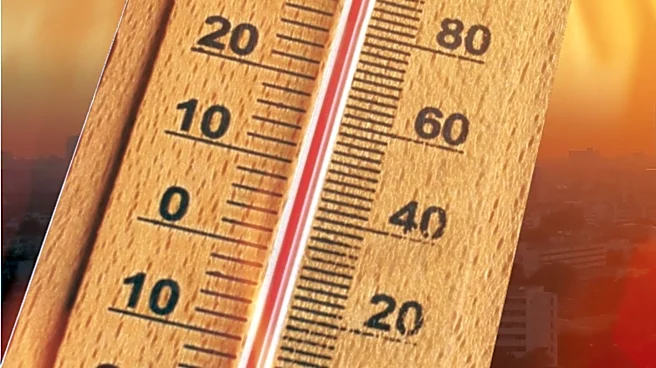
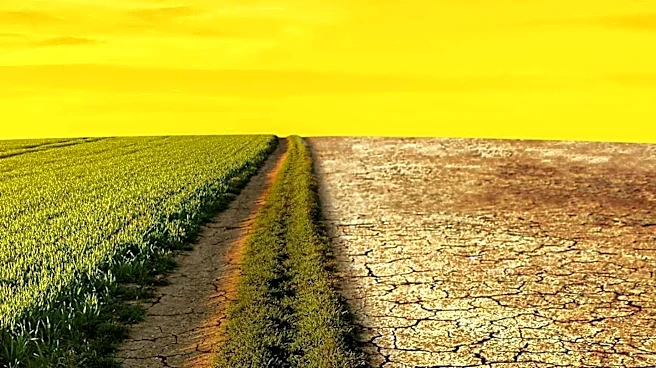
of the world. In Europe, firefighters are working tirelessly to contain wildfires that have been exacerbated by high temperatures and dry conditions. The situation in the U.S. involves potential severe storms that could impact large swaths of the country, adding to the global climate challenges currently being faced.
Why It's Important?
The severe weather warnings in the U.S. highlight the increasing frequency and intensity of extreme weather events, which are often linked to climate change. These conditions pose significant risks to public safety, infrastructure, and the economy. In the U.S., severe storms can lead to power outages, property damage, and disruptions to daily life. The situation underscores the need for robust emergency preparedness and response strategies. Additionally, the global nature of these events emphasizes the interconnectedness of climate issues, requiring coordinated international efforts to address the underlying causes and mitigate the impacts.
What's Next?
As the U.S. braces for severe weather, authorities are likely to issue further warnings and advisories to ensure public safety. Emergency services may be on standby to respond to any incidents resulting from the storms. In Europe, efforts to control the wildfires will continue, with potential international assistance if the situation worsens. The ongoing climate challenges may prompt renewed discussions on climate policy and the need for sustainable practices to reduce the frequency and severity of such events in the future.