




What's Happening?
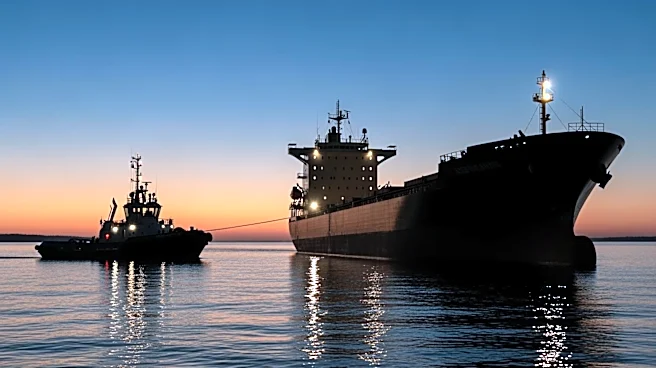
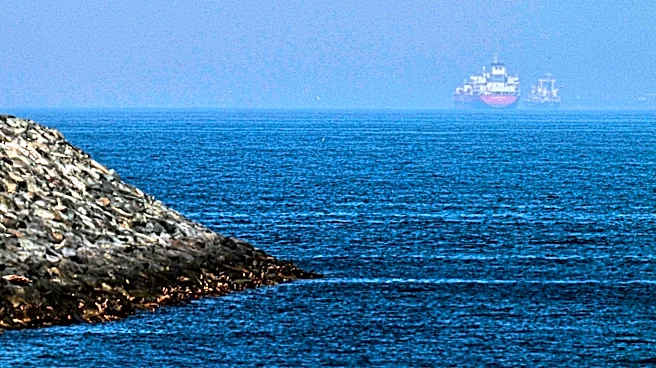
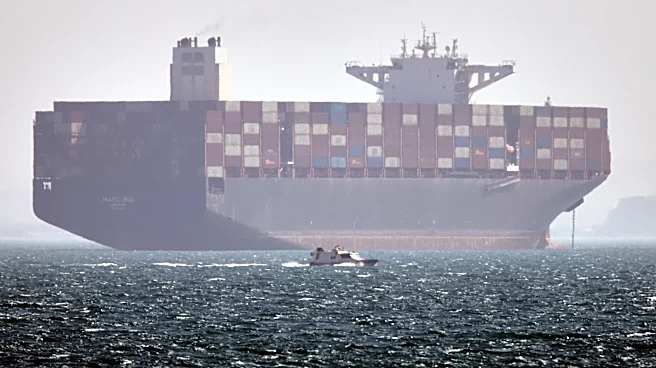
Iran's Revolutionary Guard announced that safe passage through the Strait of Hormuz would be provided under new procedures, following President Trump's decision to pause U.S. military efforts to guide merchant vessels through the waterway. This announcement
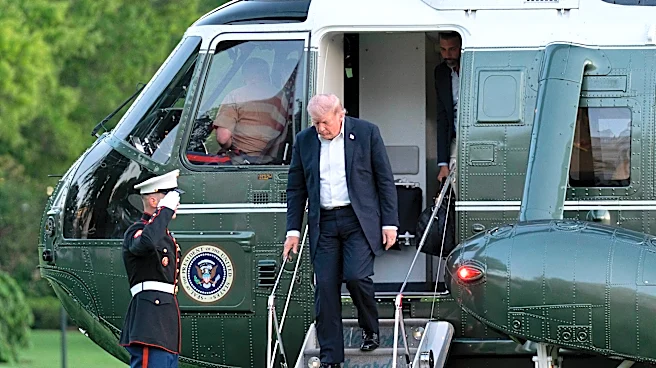
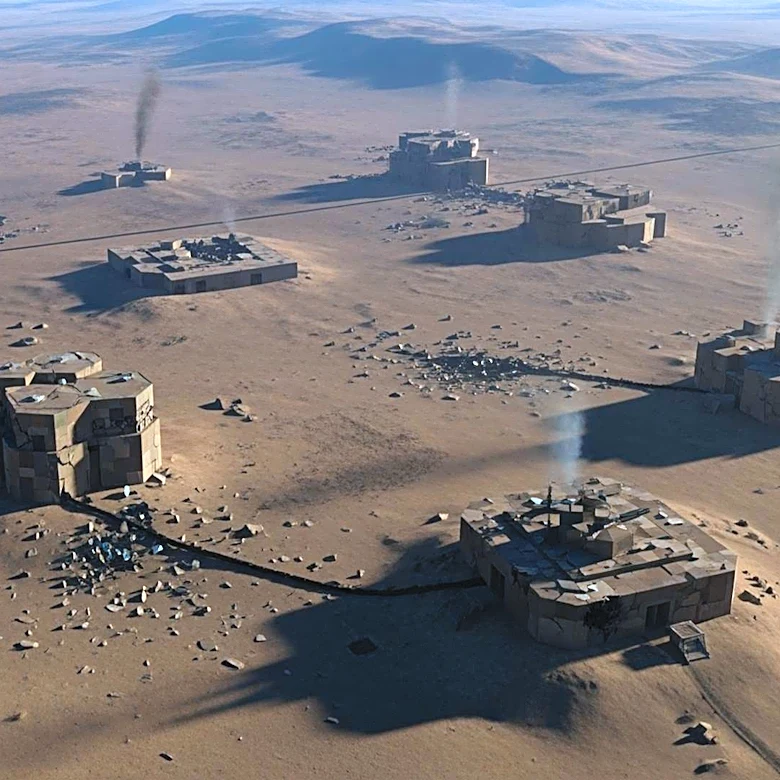
comes after the strait was effectively closed due to U.S. and Israeli military actions against Iran, which disrupted global energy supplies. President Trump indicated that the war would end once an agreement with Iran is reached, but warned of resumed bombings if negotiations fail. Iran has confirmed receiving a U.S. proposal, which is currently under review.
Why It's Important?
The Strait of Hormuz is a vital corridor for global oil transportation, and its closure has led to increased fuel prices and supply disruptions. Iran's offer of safe passage could alleviate some of these economic pressures, but the situation remains precarious. The outcome of U.S.-Iran negotiations will be crucial in determining the stability of the region and the security of global energy supplies. A successful agreement could lead to a de-escalation of military tensions and a reopening of the strait, benefiting global markets and reducing geopolitical risks.
What's Next?
The U.S. and Iran are engaged in ongoing negotiations, with the potential for a formal agreement that could end hostilities and ensure the free flow of oil through the Strait of Hormuz. The international community will be watching closely, as the resolution of this conflict could set a precedent for future diplomatic engagements in the region. If negotiations fail, the risk of military escalation remains, which could further destabilize the region and impact global energy markets.