







What's Happening?
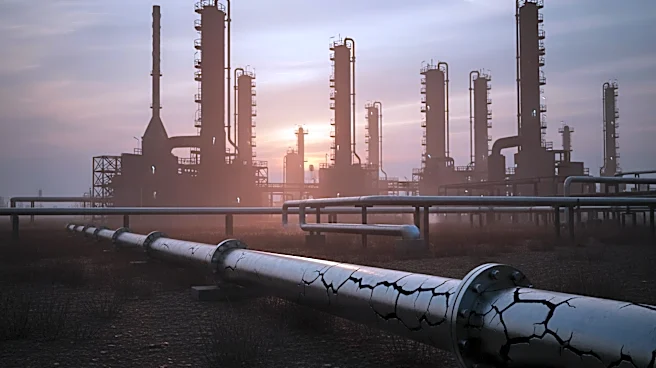
The International Energy Agency (IEA) chief, Fatih Birol, has indicated that it could take up to two years to restore significant oil and gas production lost due to the ongoing conflict in Iran. The war has caused extensive damage to oil fields, refineries,
and pipelines across the Persian Gulf, and the closure of the Strait of Hormuz has further disrupted a critical export route. This has resulted in the removal of hundreds of millions of barrels from the market. Despite the potential reopening of the Strait, Birol emphasized that production levels would not immediately return to pre-war conditions, as facilities require repairs and output needs to be restarted. The IEA previously estimated that the conflict has reduced oil production by as much as 13 million barrels per day, with total export losses, including refined products, being even higher. The recovery of natural gas production may take even longer, with some LNG terminals potentially needing more than two years to resume normal operations.
Why It's Important?
The prolonged disruption in oil and gas production has significant implications for global energy markets. Spot crude prices have surged, with some barrels trading near $150, as refiners in Europe and Asia compete for limited supply. This has led to fuel rationing, reduced industrial activity, and increased inflation pressures, particularly affecting energy-importing economies. Emerging markets in Asia and Africa, which heavily rely on imported energy, are expected to be hit hardest. The situation underscores the vulnerability of global energy supply chains to geopolitical conflicts and highlights the need for diversified energy sources and increased resilience in energy infrastructure.
What's Next?
The recovery process will involve extensive repairs to damaged facilities and a gradual restart of production, which could take up to two years. In the meantime, energy-importing countries may need to explore alternative sources and strategies to mitigate the impact of supply shortages. The situation may also prompt discussions on energy security and the importance of transitioning to more sustainable and resilient energy systems. Stakeholders, including governments and energy companies, will likely focus on enhancing infrastructure resilience and diversifying energy sources to prevent similar disruptions in the future.