
What's Happening?
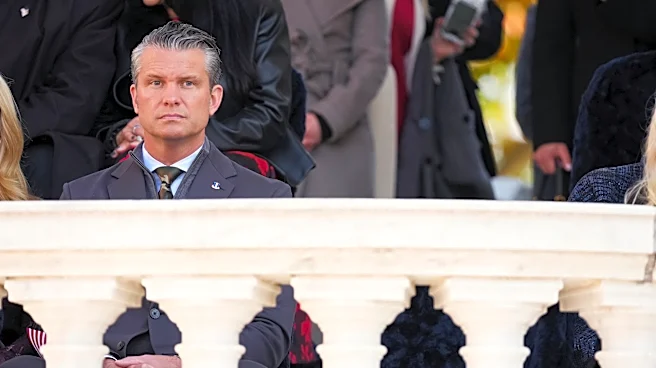
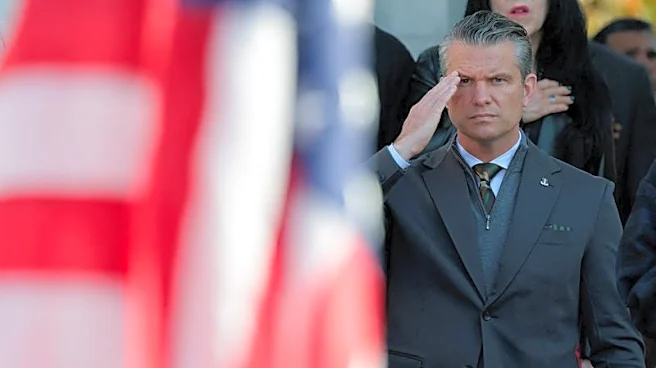
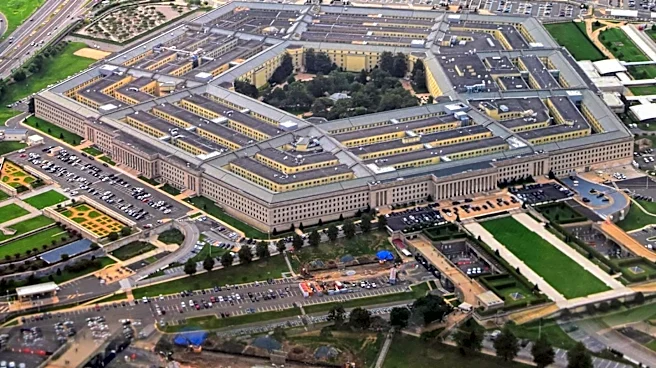
Defense Secretary Pete Hegseth is advocating for a significant overhaul of the civilian office overseeing U.S. special operations forces. The proposed changes include elevating the chief's role from an assistant secretary to an under secretary position
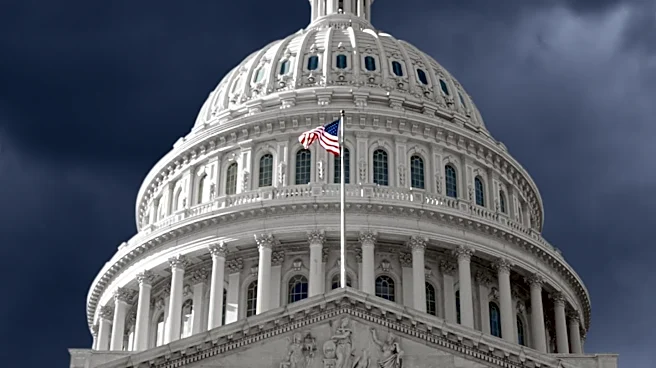
and renaming the office to the 'Office of Strategic Services,' a nod to its World War II-era predecessor. This initiative also involves allocating a $45 million budget and staffing the office with 100 personnel, comprising 75 civilians and 25 military members. The move aims to normalize the administration of special operations forces, placing them on par with a military service. This effort builds on previous directives, such as acting Defense Secretary Chris Miller's 2020 order for the position to report directly to his office, and fulfills a requirement from the 2025 National Defense Authorization Act to resource the office adequately. However, the full implementation of these changes is contingent on congressional approval, which could face challenges given past clashes between the Pentagon and the Republican-controlled legislature.
Why It's Important?
This proposed restructuring is important because it seeks to enhance the civilian oversight and administrative capabilities of U.S. special operations forces, an area that experts have long argued needs to be on par with other military services. By elevating the chief's position and providing a substantial budget and staffing, the Department of Defense aims to improve the office's ability to manage and resource special operations effectively. This could lead to more streamlined decision-making in budget allocation, acquisition, personnel management, and readiness. The reintroduction of the 'Office of Strategic Services' name also carries symbolic weight, aiming to reinforce a tradition of integrating intelligence, influence, innovation, and partnerships in support of national objectives. Successful implementation could strengthen the U.S.'s capacity to conduct special operations in an era of global uncertainty and strategic competition, ensuring these forces are adequately supported and administered. Conversely, failure to secure congressional backing could leave special operations forces with less robust civilian oversight and potentially hinder their operational effectiveness.
What's Next?
The immediate next step for these proposed changes is securing congressional approval. The Defense Secretary's memo outlines the new framework, but its long-term effectiveness hinges on being codified into law by Congress. This process is anticipated to be challenging, especially with a shift in congressional majority. Stakeholders, including members of Congress, will need to negotiate the specifics of the legislation. Experts like David Maxwell and Michael Lumpkin emphasize that while the intent is positive, the details of the legislative language are crucial to prevent unintended consequences, such as diluting the oversight of U.S. Special Operations Command. The additional staff and resources are seen as vital for effective civilian oversight, enabling independent analysis and accountability. The outcome of these legislative efforts will determine the future administrative structure and resourcing of U.S. special operations forces.
Beyond the Headlines
Beyond the immediate administrative and budgetary implications, this initiative touches upon deeper issues of bureaucratic inertia and the balance of power between the executive and legislative branches in defense matters. The challenges faced in previous attempts to strengthen this office, described as being met with 'disdain by many' within the Pentagon's 'entrenched bureaucracy,' highlight the difficulty of implementing significant organizational change within large government institutions. The symbolic renaming to the Office of Strategic Services also reflects a desire to reconnect with a historical legacy of integrated special warfare, suggesting a strategic vision that extends beyond mere administrative efficiency. This move could signal a long-term shift in how the U.S. views and manages its special operations capabilities, potentially influencing doctrine, training, and deployment strategies. The ongoing tension between the Pentagon and Congress further underscores the political complexities inherent in defense policy, where even seemingly administrative changes can become points of contention.