





What's Happening?
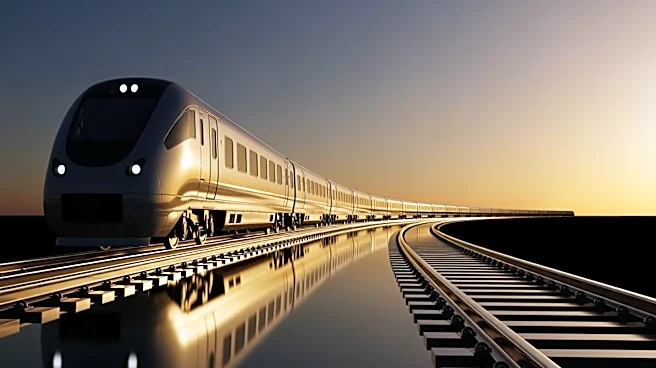
As gas prices climb above $4 per gallon, U.S. passenger railroads are seeing a significant increase in ridership. Amtrak reported a 5% rise in ridership in March compared to the previous year, while Brightline in Florida experienced a 20% surge. The increase is attributed
to high fuel costs, long airport security wait times, and lower train ticket prices. The trend highlights the essential role of rail in connecting communities and providing an alternative to driving amid rising gas prices.
Why It's Important?
The surge in passenger railroad ridership reflects a shift in transportation preferences due to rising gas prices. As fuel costs increase, more Americans are opting for rail travel, which offers a cost-effective and efficient alternative to driving. This trend underscores the importance of rail infrastructure in providing connectivity and reducing reliance on automobiles. The increase in ridership also highlights the potential for rail to play a larger role in the U.S. transportation landscape, particularly as fuel prices remain high.
What's Next?
The continued rise in gas prices may sustain the increased demand for rail travel, prompting rail operators to expand services and improve infrastructure. Amtrak and Brightline may explore opportunities to enhance their offerings and attract more passengers. The long-term impact on transportation preferences will depend on fuel price trends and the ability of rail operators to maintain competitive pricing and service quality. The shift towards rail travel could also influence policy decisions related to transportation funding and infrastructure development.